Showing a Rented House to Buyers in Ohio: Tenant Notice and Entry Rules
Selling a rental while a tenant lives there means sharing the home you own with someone who calls it theirs. Ohio law balances both sides. It lets the owner show the unit to buyers and requires the owner to give fair notice. Here is what the law says, and how to make showings go smoothly for everyone.
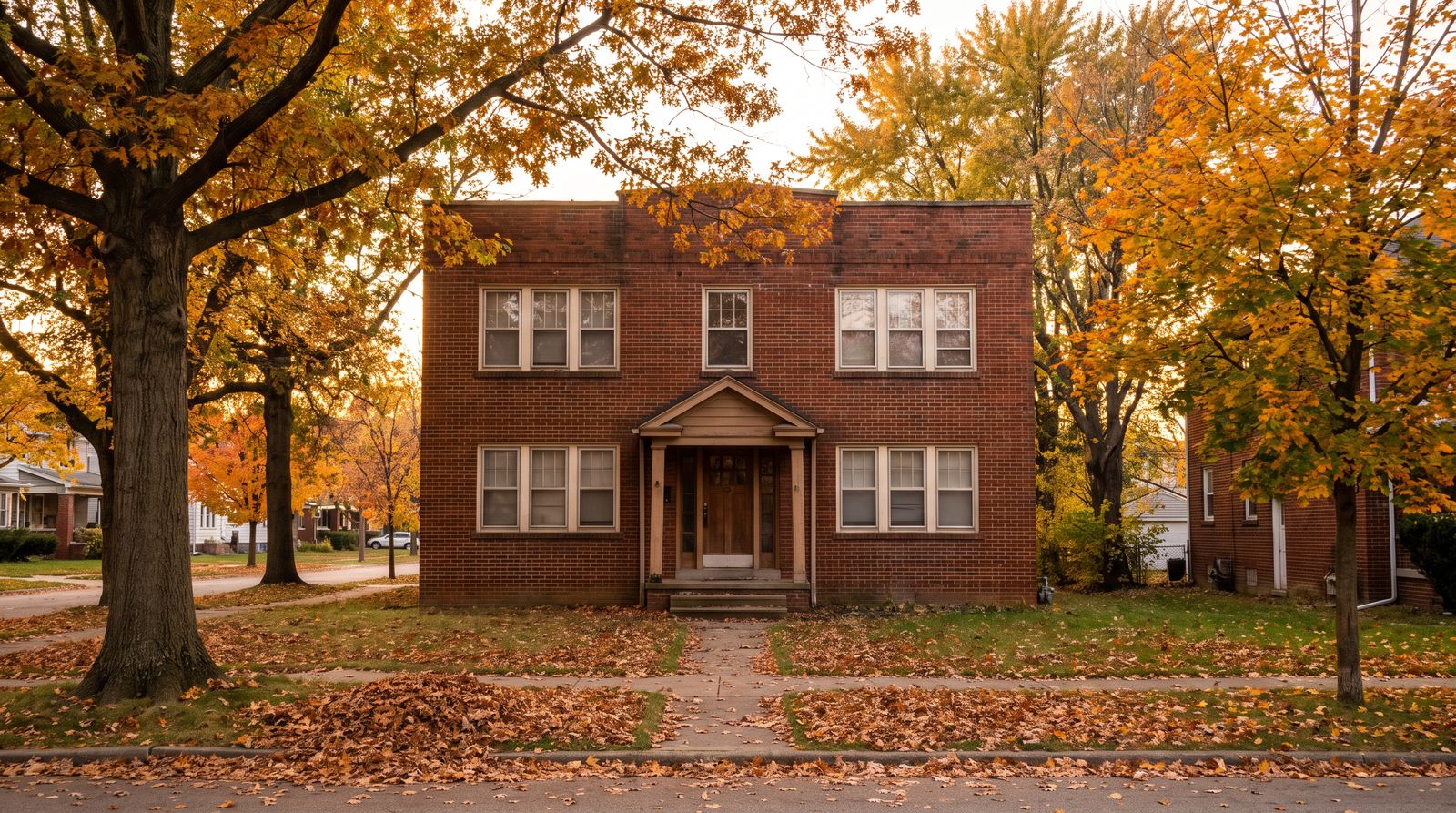
An older two-family house with stacked upper and lower front porches in late afternoon autumn light, with potted mums on the steps
In Ohio, a tenant may not unreasonably refuse to let the landlord show the unit to buyers. In return, the landlord must give reasonable notice and enter only at reasonable times. Twenty-four hours' notice is presumed reasonable. Both sides have remedies if the other side crosses the line.
The two rules that work together
| Rule | What it says | Ohio law |
|---|---|---|
| Tenant's duty | Do not unreasonably withhold consent for entry to show the unit to buyers | 5321.05(B) |
| Landlord's notice | Give reasonable notice and enter at reasonable times, except emergencies | 5321.04(A)(8) |
| The 24-hour presumption | 24 hours is presumed reasonable notice, absent evidence otherwise | 5321.04(A)(8) |
| No abuse of access | The landlord shall not abuse the right of access | 5321.04(A)(7) |
From ORC 5321.04 and 5321.05 as we read them. Your lease may add terms, but read it with an attorney if it conflicts with the statute.
The same list in 5321.05(B) also covers entry to inspect, make repairs or improvements, deliver large packages, and show the unit to lenders, new tenants, workers or contractors. Showing to buyers is one item on that list.
Would rather skip the showings?
Send us the address. We buy rentals with tenants in place and give you a written cash offer. Ask us how many visits we need.
What "24 hours is presumed" really means
ORC 5321.04(A)(8) says 24 hours is presumed to be reasonable notice "in the absence of evidence to the contrary." That makes 24 hours a starting point, not a hard rule. The facts of a situation could show that a different amount of notice was or was not reasonable. Giving at least 24 hours, in writing, is the simplest way to stay on solid ground.
The notice is about two things: telling the tenant you intend to enter, and entering at a reasonable time. A showing at a normal daytime hour, after written notice, fits both.
Who counts as the landlord
ORC 5321.01 defines "landlord" to include the owner, the owner's agent, and anyone the owner authorizes to manage the property or collect rent. So when a property manager or someone acting for you arranges a showing, the same notice and access rules apply. Make sure anyone you send to the house knows these notice rules before they set a time.

Your duties keep running while you sell
Putting a rental on the market does not pause the landlord's duties. ORC 5321.04(A) says a landlord shall, among other things:
- Comply with building, housing, health and safety codes that materially affect health and safety.
- Make repairs and do what is reasonably necessary to keep the premises fit and habitable.
- Keep common areas safe and sanitary.
- Keep electrical, plumbing, sanitary, heating, ventilating and air conditioning fixtures and appliances in good and safe working order.
The tenant's duties keep running too. ORC 5321.05(A) asks tenants to keep their part of the premises safe and sanitary, dispose of trash properly, keep plumbing fixtures as clean as their condition permits and use electrical and plumbing fixtures properly.
When access goes wrong
Ohio gives each side a remedy. Under ORC 5321.04(B), a tenant may act if the landlord enters without proper notice, enters lawfully but in an unreasonable manner, or makes repeated lawful demands that have the effect of harassing the tenant. The tenant may recover actual damages, get a court order to stop it, and recover reasonable attorney's fees, or may end the rental agreement.
Under ORC 5321.05(C)(1), if a tenant violates the tenant duties, including unreasonably refusing entry, the landlord may recover actual damages and reasonable attorney's fees. That is in addition to any right the landlord has to end the rental agreement.
A landlord may not abuse the right of access. Repeated demands that have the effect of harassing a tenant can give the tenant remedies, including ending the lease. Plan showings in groups, not every day.
The statute does not define what makes a refusal "unreasonable" or an entry "unreasonable in manner." Those words depend on the facts. Clear notice, fair times and a written record give both sides the best footing if a disagreement ever reaches a court.
How to plan showings with a tenant in place
Talk first
Give written notice
Group the visits
Keep a log
Respect the home
Common situations
The tenant works nights and asks for afternoons only
The law asks the landlord to enter at reasonable times. A request tied to a work schedule may well be reasonable. Try to fit showings to it, and write down the times you offered.
The tenant says no to every showing
A blanket refusal after proper notice may be unreasonable under ORC 5321.05(B). Before you go further, check your notices were proper and the times were reasonable. Then talk to a landlord-tenant attorney about your options.
The buyer's lender sends someone to see the unit
The list in ORC 5321.05(B) includes showing the unit to mortgagees, which means lenders, as well as to buyers. Treat a lender's visit like any other showing: written notice and a reasonable time.
The tenant wants to be home during showings
These sections do not say the tenant has to leave for a showing. If the tenant prefers to be home, that can make scheduling easier. Agree on the plan ahead of time.
You would rather sell the house empty
Ending a tenancy follows its own rules and timelines, which this article does not cover. Our post on selling a rental with difficult tenants explains why emptying a house first can cost more than owners expect.
A pipe bursts the night before a showing
The notice rule has an exception for emergencies. Handle the emergency, then keep the showing on its normal notice schedule.
Know your net proceeds
Showings take time and goodwill. With made-up numbers, a $160,000 two-family listed with a 6% commission pays $9,600 to agents, plus closing costs and any months of vacancy if a tenant leaves. A direct sale has no commission and may need fewer visits, but the offer is often lower than a top listing price. Compare the full net each way. A cash sale does not always net more.
Your six options
| Option | Showings needed? | What to weigh |
|---|---|---|
| Keep it | None | Keep collecting rent and managing |
| Repair it | Repairs need entry too | Same notice rules apply |
| Rent it out (keep renting) | Only for new tenants | Landlord duties continue |
| List with an agent | Often several | Commissions often run 5.5% to 6% |
| Sell it yourself (FSBO) | You arrange each one | More work for you and the tenant |
| Sell direct for cash | Ask the buyer how many | As fast as 7 days, typically around 21. The price is often lower |
Every entry follows the same notice rules, whichever path you choose.
Compare an offer on your rental
We buy rentals across Cleveland and Northeast Ohio, tenants and all. Get a written number and compare your net.
This article summarizes Ohio Revised Code 5321.01, 5321.04 and 5321.05 as we read them in November 2026. It is general information, not legal advice. We did not cover what happens to a lease or security deposit when a rental is sold, or local ordinances. Talk to an Ohio landlord-tenant attorney about your situation.
Selling a rental with a tenant in place?
Call or send us the address. We will explain how a direct sale works with your tenant, and the decision stays yours.
Frequently asked questions
Not unreasonably. Ohio law says a tenant shall not unreasonably withhold consent for the landlord to enter to show the unit to prospective or actual purchasers.
Reasonable notice, and entry only at reasonable times, except in an emergency or when notice is impracticable. Ohio law presumes 24 hours is reasonable notice unless there is evidence to the contrary.
A landlord must not abuse the right of access. If a landlord makes repeated lawful demands for entry that have the effect of harassing the tenant, the tenant may seek damages, a court order and attorney's fees, or end the lease.
If a tenant violates the duties in ORC 5321.05, the landlord may recover actual damages and reasonable attorney's fees, in addition to any right to terminate the rental agreement.
Ohio's definition of "landlord" includes the owner's agent and anyone the owner authorizes to manage the premises or collect rent.
The notice rule has exceptions for an emergency or when giving notice is impracticable.
Find out what we would pay
Free, no obligation, and no pressure. If our number does not work for you, that is a perfectly fine answer.
Keep reading

Why Sell As-Is
Selling a Rental Property With Bad Tenants or Damage? We Can Help
You can sell with tenants in place. What that means for you, what it means for them, and why trying to empty the property first is usually the slower route.
Liens, Taxes & Title
Selling a Rental? How Depreciation Comes Back at Tax Time
Depreciation lowers your tax while you own a rental, then lowers your basis when you sell. Here is how federal law treats that gain, why depreciation you never claimed still counts, and the 25 percent rate that applies.

Why Sell As-Is
Selling a Pre-1978 Cleveland Rental? What Lead Safe Certification Means
Cleveland requires rentals built before 1978 to carry a Lead Safe Certification, and the city proposed changes to the program in October 2026. Here is what that means if you are selling an older rental.