Selling a Pre-1978 Cleveland Rental? What Lead Safe Certification Means
If you own a rental in Cleveland that was built before 1978, the city expects it to carry a Lead Safe Certification. Some owners who decide to sell are in the middle of that process, behind on it, or have never started. Each of those situations changes what your buyer is getting, and what you might want to do before you sell. And in October 2026, the city proposed changes to the program itself.
An older wood-frame rental house with a wide front porch and painted railings on a Cleveland side street under overcast autumn skies
In Cleveland, rental units built before 1978 must have a Lead Safe Certification from the Department of Building and Housing. Under the current program it lasts two years. If you are selling, know where your property stands: certified, in progress, lapsed, never started, or exempt. In October 2026, the city introduced legislation to change the program, including longer certificate options. Check the current rules before you set a price or make promises to a buyer.
What the current program requires
The Lead Safe Cleveland Coalition explains it simply: any home built before 1978 is reasonably presumed to contain lead-based paint, and residential rental units built before 1978 must have a Lead Safe Certification from the City of Cleveland's Department of Building and Housing. The certification is valid for two years. Then the owner re-applies.
To get certified, the unit must be lead safe, lead hazards must be fixed, and the unit must be inspected by an independent, certified Lead Risk Assessor or Clearance Technician. Owners can hire contractors certified in Renovation, Repair and Painting, known as RRP, or get RRP certified and do the work themselves. Buildings with more than 20 rental units inspect only a portion of the units.
Contact the Lead Safe Resource Center
Register the rental with the City
Get a Lead Risk Assessment
Fix any hazards
Clean, then get a Lead Clearance Exam
Apply for certification
Selling an older Cleveland rental?
Tell us the address and where the property stands on lead certification. We will give you a no-obligation as-is cash offer.
Who is exempt
| Situation | Certification needed? | Source |
|---|---|---|
| Rental unit built before 1978 | Yes, renewed every two years under the current program | Lead Safe Cleveland Coalition |
| Built after 1978 | No | Lead Safe Cleveland Coalition |
| Owner-occupied, not a rental | No, though the coalition strongly encourages the same clearance process | Lead Safe Cleveland Coalition |
| Rental unit kept empty, with no rent or anything of value received | No, but the owner must file an affidavit every year | Lead Safe Cleveland Coalition |
| Unit abated of all lead hazards, with a comprehensive lead risk assessment submitted | No. Abatement lasts 20 years, then the unit is assessed again | Lead Safe Cleveland Coalition |
This reflects the coalition's description of the current program. The October 2026 proposal would add an exemption for pre-1978 properties certified as lead-paint-free. Proposed rules are not law until passed.
What Cleveland proposed in October 2026
On October 12, 2026, the City introduced legislation to update the program, which Cleveland first passed in 2019. The city's release describes these changes:
- Longer certificates for key improvements. Options of 3, 5 and 10 years that scale with work like replacing windows, doors or the porch.
- Local lead inspection licenses, so risk assessments are standardized.
- An exemption for pre-1978 properties that can be certified as lead-paint-free.
- 10-year certificates right away for low-risk properties built between 1960 and 1978.
- A retaliation defense for tenants, and an exemption for college dormitories.
For a seller, the practical point is this: if the proposal passes, work you have already done, like new windows or a new porch, could matter more than it does today. Keep the receipts and permits for that work with your lead paperwork.
The release said the next step was a hearing at City Council's Health, Human Services and the Arts Committee, scheduled for October 19. We have not confirmed what happened next. Before you rely on any of these changes, check with Cleveland Building and Housing or the Lead Safe Resource Center.
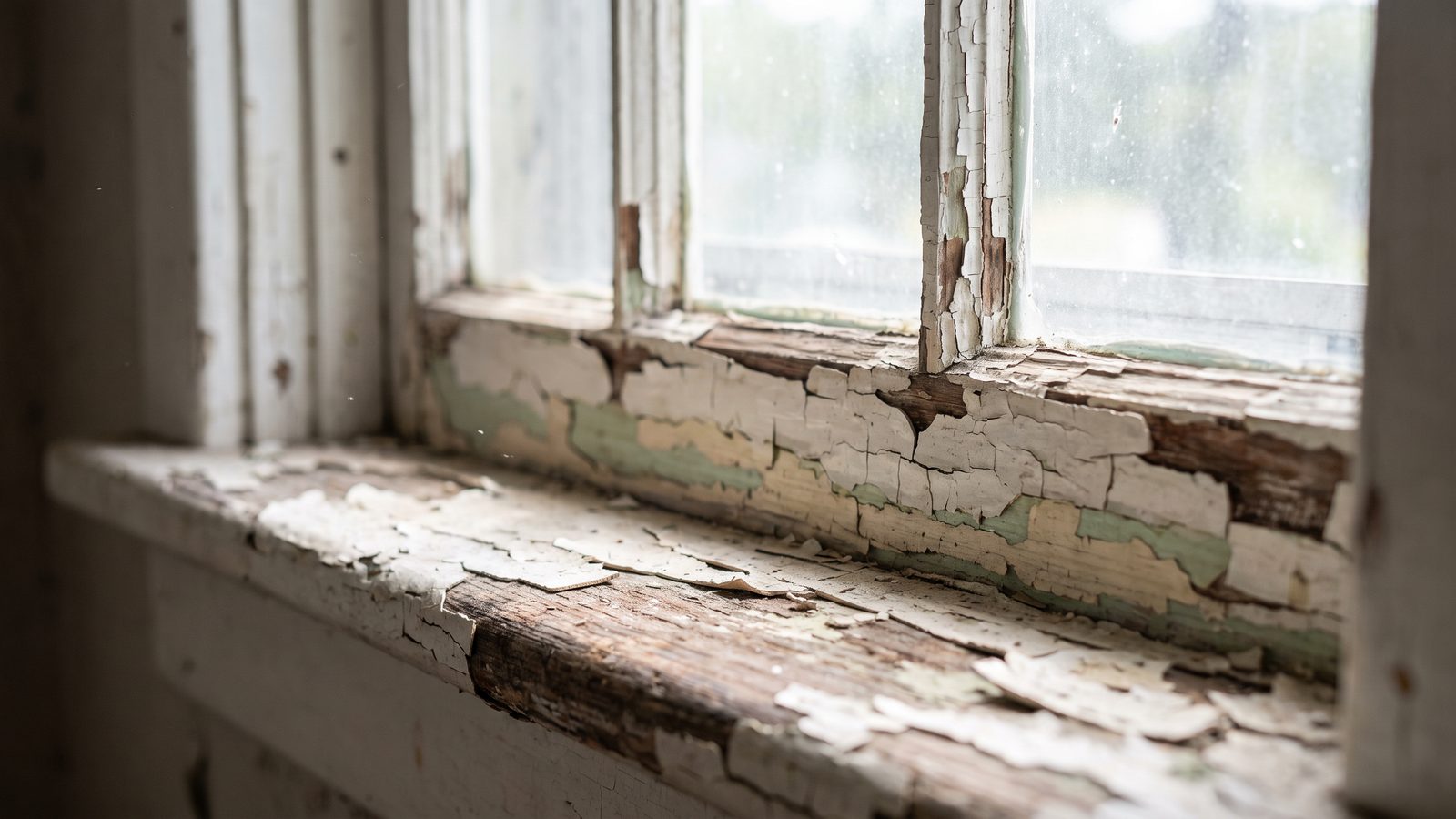
Where your property stands, and what it means for a sale
Buyers who plan to rent the property are likely to ask about certification, because the requirement applies to whoever rents it out. A current certificate, plus the assessment and clearance reports, is worth having on hand. If the property is not certified, a buyer who plans to rent it will have to work through the process, and will think about that when making an offer.
Whatever your status, federal lead-based paint disclosure rules for pre-1978 housing still apply to the sale. Our post on lead paint disclosure when selling in Ohio covers that.
Paperwork to gather before you list
Whatever you decide, having your records in one place makes buyer questions easier to answer and helps avoid delays. Pull together what applies to you:
- Your Lead Safe Certification, with its issue date, if you have one.
- The Lead Risk Assessment and Lead Clearance reports behind it.
- Your City rental registration from the Citizen Access Portal.
- Any annual affidavit you filed for a unit kept empty.
- A comprehensive lead risk assessment for any unit that was fully abated, and the date of the abatement.
- Your federal lead-based paint disclosure for the sale, since the house was built before 1978.
- Current leases and tenant contact details, if the property is occupied.
If cost is what has held you back, the Lead Safe Cleveland Coalition says financial resources are available to help make properties lead safe. Its Resource Center can tell you what applies. That may change the math on whether to certify before you sell.
Your six options
| Option | Lead certification | What to weigh |
|---|---|---|
| Keep renting it | You keep the certification current | Repeat assessments, repairs and renewals are part of the cost of owning |
| Repair it | Fix hazards, then clear and certify | Under the proposal, some improvements could earn a longer certificate |
| Leave it empty | Exempt while empty with no rent, with an annual affidavit | An empty house still costs taxes, insurance and upkeep |
| List with an agent | Status will come up with investor buyers | Commissions often run 5.5% to 6%, on top of any repair work |
| Sell it yourself (FSBO) | You answer buyer questions directly | No commission, but you handle disclosures and paperwork |
| Sell direct for cash | Sold as-is, whatever the status | As fast as 7 days, typically around 21. The price reflects the work the buyer takes on |
There is no single right answer. If the property needs only a clearance exam, certifying first may help your price. If it needs major work, selling as-is may make more sense. Compare the net on each path.
Compare certify-then-sell with selling as-is
We will give you a written as-is offer you can set next to the cost of getting certified and listing. If certifying and listing nets you more, we will tell you.
One more filing: the county rental registration
Separate from the city program, Ohio law requires owners of residential rental property to file their name, contact details and the property's address and parcel number with the county auditor, and to update that information within 60 days after any change. In Cuyahoga County, the Fiscal Officer handles it. When a rental changes hands, the new owner's information is a change worth making sure gets filed.
This article summarizes the Lead Safe Cleveland Coalition's description of Cleveland's Lead Safe Certification program, the City of Cleveland's October 12, 2026 news release on proposed changes, and Ohio Revised Code § 5323.02, as we read them in October 2026. It is general information, not legal advice. We did not research penalties, costs, or whether a certificate transfers on sale, and the proposed changes may or may not have passed. Confirm current rules with Cleveland Building and Housing.
Questions about selling a Cleveland rental?
Call or send us the address. We will talk through your lead certification status, your tenants and your options, and leave the decision with you.
Frequently asked questions
Residential rental units built before 1978. The Lead Safe Cleveland Coalition says they must have a Lead Safe Certification from the City of Cleveland's Department of Building and Housing.
Under the current program, two years. After that, the owner must re-apply. Proposed legislation introduced in October 2026 would add longer options tied to certain improvements.
Properties built after 1978, homes that are not rentals, rental units kept empty with no rent or other value received (with an annual affidavit), and units abated of all lead hazards with a comprehensive risk assessment submitted. Abatement lasts 20 years.
The city's October 12, 2026 release describes 3-, 5- and 10-year certificate options tied to improvements like replacing windows, doors or a porch, local lead inspection licenses, an exemption for pre-1978 properties certified lead-paint-free, and 10-year certificates for low-risk homes built between 1960 and 1978. It was proposed legislation. Check with the city for its current status.
We did not find that answered on the city and coalition pages we read. Ask Cleveland Building and Housing or the Lead Safe Resource Center before you promise a buyer anything about it.
The Lead Safe Resource Center at 4600 Euclid Ave. in Cleveland. The coalition lists its phone as 833-601-LEAD (5323) and its email as lsrc@ehw.org.
Ohio law requires residential rental owners to file owner and property information with the county auditor and to update it within 60 days after any change. In Cuyahoga County, the Fiscal Officer handles that filing.
Find out what we would pay
Free, no obligation, and no pressure. If our number does not work for you, that is a perfectly fine answer.
Keep reading
Why Sell As-Is
Selling a House Built Before 1978: The Lead Paint Rule
You do not have to test for lead, remove it, or fix it before selling. You do have to disclose what you know — and hiding it carries treble damages.

Why Sell As-Is
Selling a Rental Property With Bad Tenants or Damage? We Can Help
You can sell with tenants in place. What that means for you, what it means for them, and why trying to empty the property first is usually the slower route.
Why Sell As-Is
Selling a Rental With a Section 8 Tenant in Cleveland
You can sell a rental with a Housing Choice Voucher tenant in it. Federal rules limit when you can end the lease, and CMHA has its own steps when a voucher property changes hands. Here is how both work.