Selling a Condo or HOA Home in Ohio: The Records You Can Get
Selling a condo or a house in a homeowners association adds a second set of paperwork: the association's. Buyers and their lenders often ask about the budget, the meeting minutes and any open charges. Ohio law gives owners a right to see many of those records. Here is what the law says and how to use it before you sell.
A row of attached brick townhomes with small front stoops and painted doors along a tree-lined walkway in autumn light
In Ohio, condo and HOA owners can examine and copy the association's books, records and minutes, under the association's reasonable rules. The association can hold back some records, like anything over five years old or legal advice, unless the board approves. For condos, liens that affect the unit and the wider property must be cleared, released or assumed before the sale.
Condo or planned community: which law applies?
The two chapters work in a similar way, but they apply to different kinds of property. ORC 5311.02 says the condo chapter applies only to property that has been specifically submitted to it by recording a condominium declaration. ORC 5312.02 says any planned community in Ohio is subject to the planned community chapter, and that a planned community is set up by recording a declaration and bylaws with the county recorder.
Under ORC 5312.02(B), those bylaws must cover things like how the board is elected, how meetings are called and noticed, and which common expenses can be assessed and how they are collected. If you are not sure which law covers your home, look for a recorded declaration in your title papers, or ask your title company.
What the association must keep
Ohio has two main laws here. ORC Chapter 5311 covers condominiums. ORC Chapter 5312 covers planned communities, which is where many homeowners associations, or HOAs, fall. Both require the association to keep certain records.
| Record | Condo (5311.09) | HOA (5312.06) |
|---|---|---|
| Books of account for the common elements | Yes | Yes |
| Records of collecting common expenses | Yes, plus allocation of profits and losses | Yes |
| Minutes of association and board meetings | Yes | Yes |
| Owner names and addresses | Yes, plus each owner's share of the common elements | Yes |
From ORC 5311.09(A)(1) and 5312.06(C). Your declaration and bylaws may require more.
Selling a condo with open questions?
Send us the address. We will give you a written cash offer and work with the association and title company on the details.
Your right to look and copy
Under ORC 5311.091 for condos and ORC 5312.07 for HOAs, owners may examine and copy these books, records and minutes. The association can set reasonable standards in its declaration, bylaws or rules. Those can cover which documents are available, when and where you can see them, and a reasonable fee for copies.
Unless the board approves, the association does not have to show records that are:
- More than five years old.
- About personnel matters.
- Communications with the association's lawyer, or legal work product.
- About contracts still being negotiated, or covered by confidentiality terms.
- About enforcing the rules against other owners.
- Barred from disclosure by state or federal law.
The lien rule for condo sales
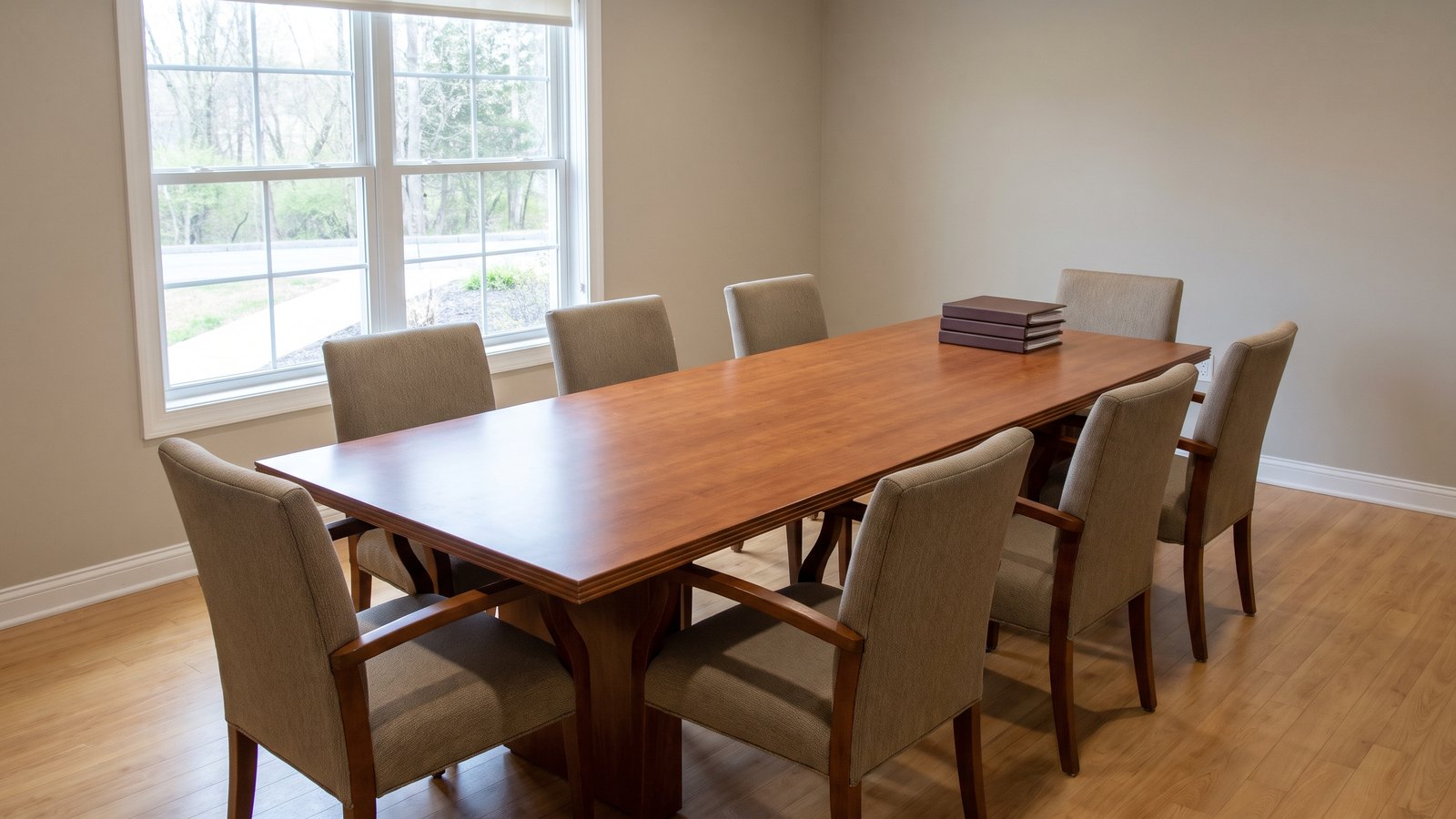
ORC 5311.12 sets a rule for condo sales. An owner may not convey title to a unit until liens and encumbrances that affect both the unit and other parts of the condo property are paid and satisfied, the unit is released from them, or the buyer assumes the lien. Taxes and assessments of local governments that are not yet due are excepted.
In plain words, the statute gives three ways to handle such a lien before title passes: pay it off, get the unit released from it, or have the buyer agree to take it on. Your title company will look for these liens and tell you which applies.
Liens for your own unpaid association charges are a separate topic. Our post on Ohio HOA and condo association liens explains how those work and why the payoff keeps moving.
How to use the records before you sell
Read your declaration and bylaws
Ask in writing
Look for coming costs
Check your account
Share with the title company
We reviewed the section titles in ORC Chapters 5311 and 5312 and did not find one that requires an association to issue a resale packet. Section 5311.26 covers statements in developer sales. Your declaration or bylaws may still require something. A buyer's lender may also review the condo project, as our post on condo building repairs and lenders explains. Check your documents and ask the association.
Papers to gather for a buyer
- The recorded declaration and bylaws, plus any rules the board has adopted.
- Recent minutes of board and association meetings.
- The current budget and any notices of upcoming charges.
- A statement of your own account with the association.
- Contact information for the board or the managing agent.
Having these ready helps a buyer understand what they are joining, and it can save time once you are under contract. Keep a full set of copies for your own records too.
Common situations
The board will not share minutes from six years ago
That is allowed. Records older than five years are outside the owner's right to examine, unless the board approves. Ask for the most recent five years instead.
The association says a record is confidential
Some records are outside the owner's right unless the board approves, such as legal advice, personnel matters or contracts still being negotiated. Ask which exception the association is relying on, and ask for the rest of the records you requested.
The association charges for copies
The law lets the association set a reasonable fee for copying documents in its declaration, bylaws or rules. Ask what the fee is before you request a large set.
Your buyer moves in after closing
Under ORC 5311.09(A)(2), a new condo owner must give the board contact information within 30 days of obtaining the unit. That is the buyer's job, but it helps to pass along the board's contact details at closing.
Know your net proceeds
Association charges come out of your proceeds at closing, along with your mortgage payoff. With made-up numbers, a $120,000 condo listed with a 6% commission pays $7,200 to agents, plus closing costs, any association payoff and months of dues while it is on the market. A direct sale has no commission, but the offer is often lower than a top listing price. Compare the full net each way. A cash sale does not always net more.
Your six options
| Option | Association angle | What to weigh |
|---|---|---|
| Keep it | Dues and any special charges continue | Monthly costs add up |
| Repair it | Check your declaration for repair rules | Cash and time up front |
| Rent it out | Check rental rules in your declaration | Landlord duties |
| List with an agent | Buyers and lenders will ask about the association | Commissions often run 5.5% to 6% |
| Sell it yourself (FSBO) | You gather the association documents | More work for you |
| Sell direct for cash | No buyer's lender in the deal | As fast as 7 days, typically around 21. The price is often lower |
Your declaration, bylaws and rules control many details. Read them before you list.
Compare a cash offer for your condo
We buy condos and HOA homes across Cleveland and Northeast Ohio as-is. Ask for a written number and compare your net.
This article summarizes Ohio Revised Code 5311.09, 5311.091, 5311.12, 5312.06 and 5312.07 as we read them in November 2026. It is general information, not legal advice. We did not cover association fees for documents, lender questionnaires or your own declaration. Talk to an Ohio real estate attorney about your association.
Questions about selling in an association?
Call or send us the address. We will walk you through a direct sale, and the choice stays yours.
Frequently asked questions
Yes. Any member of a condo unit owners association may examine and copy the association's books, records and minutes under reasonable standards the association sets, which can include a reasonable copy fee.
Yes. Any owner may examine and copy the owners association's books, records and minutes under reasonable standards in the declaration, bylaws or board rules.
Books of account for the common elements, records of how common expenses are collected, minutes of association and board meetings, and owner names and addresses. Condo associations also track how profits, losses and expenses are allocated.
Unless the board approves, records more than five years old and records about personnel, legal advice, contracts under negotiation or under confidentiality terms, enforcement against owners, or anything the law bars from disclosure.
Ohio law says a condo owner may not convey title until liens affecting both the unit and other condo property are paid, the unit is released from them, or the buyer assumes the lien. Taxes and assessments not yet due are excepted.
We did not find a section in Ohio's condo or planned community chapters that requires one. Your declaration or bylaws may address it. Ask the association what it provides when a unit is sold.
Find out what we would pay
Free, no obligation, and no pressure. If our number does not work for you, that is a perfectly fine answer.
Keep reading
Liens, Taxes & Title
Your Condo or HOA Association Has Put a Lien on You
Ten days late is enough. And your payments go to interest and legal fees before they touch the principal — which is why the balance seems never to move.
Why Sell As-Is
Selling a Condo When the Building Needs Repairs
Your unit may be fine, but a buyer's loan also depends on the building. Here is how conventional lenders review a condo project, and what can make it ineligible.

Inherited Property & Probate
Which Ohio Home Sales Are Exempt From the Disclosure Form?
Ohio law exempts fourteen kinds of transfer from the residential property disclosure form — including most estate sales and inherited houses you never lived in.