Your Condo or HOA Association Has Put a Lien on You
Association debt behaves unlike any other bill attached to a house. The lien right arises ten days after a payment is due, not thirty or ninety. The association can foreclose in the same way a mortgage lender can. And the order in which your payments get applied means someone paying what they can afford each month may find the principal barely moves. None of that is hidden — it is in two sections of the Revised Code, and they are worth reading before you assume you have time.
A row of modest two-storey townhouse condominium units with uniform facades, shared clipped landscaping and a communal paved walkway
An Ohio association lien arises once a charge is ten days past due. It becomes effective when a certificate of lien is recorded, lasts five years from filing, and can be foreclosed in the same manner as a mortgage. It outranks anything arising after it except property taxes and a recorded first mortgage. And in a condominium, your payments are applied to interest, then late fees, then legal fees — and only then to the principal.
Two statutes, one shape
Ohio handles this in two places depending on what kind of community you live in. Condominiums are governed by one section; planned communities — the arrangement most people mean when they say "HOA" — by another. The two run close to parallel, which is convenient, because a great many owners genuinely do not know which one applies to them.
That is a question about the recorded declaration for your community, not something you can settle from the shape of the buildings. Townhouses can be either. If it matters to a decision, the declaration is the document to look at — and it matters more than usual here, because the declaration and bylaws can vary several of the rules below.
The two association lien regimes compared
| Condominium — ORC 5311.18 | Planned community — ORC 5312.12 | |
|---|---|---|
| Trigger | Unpaid 10 days after any portion becomes due and payable | Unpaid 10 days after any portion becomes due and payable |
| What it attaches to | The owner's estate or interest in the unit and the appurtenant undivided interest in the common elements | The estate or interest in the lot |
| Effective when | A certificate of lien is filed with the county recorder on the board's authorisation | A certificate of lien is filed with the county recorder on the board's authorisation |
| Duration | 5 years from filing, unless released, satisfied or discharged | 5 years from filing, unless released, satisfied or discharged |
| Priority | Prior to later liens except property taxes, political subdivision assessments, and first mortgages filed for record | Prior to later liens except property taxes, political subdivision assessments, and first mortgages filed for record prior to the recording of the lien |
| Enforcement | Foreclosable in the same manner as a mortgage | Foreclosable in the same manner as a mortgage |
The condominium section opens with "unless otherwise provided by the declaration or the bylaws", so your own community documents can change parts of this. Note also the wording difference in the priority row — the planned community section is explicitly time-ordered and the condominium section is not. We have not read any case law on what that difference does, and we are not going to guess; it is a question for an attorney if your situation turns on it.
Ten days is the number that surprises people
Most debts attached to a house give you longer. A mortgage has a grace period and then a default process. Property taxes run on a semi-annual cycle. Association charges do not work like that: the lien right arises for any portion that remains unpaid ten days after it became due and payable.
That does not mean a certificate gets filed on day eleven — filing is a decision for the board, and most associations have a collections policy that gives more room than the statute requires. But the right exists from day eleven, and an owner who assumes they have the sort of runway a mortgage gives them is working from the wrong model.
Arrears stacking up on a condo you no longer want?
It is a common situation and not a hopeless one. Tell us what is owed and we will give you an honest figure — including telling you if the arrears mean selling will not clear what you owe.
The rule that explains why the balance will not move
This is the provision we most want owners to see, because people paying what they can afford every month often cannot understand why they are getting nowhere.
Unless otherwise provided by the declaration, the bylaws, or the rules of the unit owners association, the association shall credit payments made by a unit owner … in the following order of priority: (a) First, to interest owed to the association; (b) Second, to administrative late fees owed to the association; (c) Third, to collection costs, attorney's fees, and paralegal fees incurred by the association; (d) Fourth, to the principal amounts the unit owner owes to the association for the common expenses or penalty assessments chargeable against the unit.
Read the order. Principal is last. Interest, then administrative late fees, then the association's collection costs and legal fees — and only when all of that is cleared does a payment start reducing what you actually owe in assessments.
The practical consequence is that once legal fees have entered the picture, partial payments can go on for a long time without visibly helping. That is not the association being difficult; it is the default statutory order, and it applies unless the declaration, bylaws or rules say otherwise.
If you are trying to work out where you stand, ask the association in writing for a current payoff figure with a breakdown — principal, interest, late fees, collection and legal costs, separately. A single balance number tells you very little when payments are being sliced up in that order, and the breakdown is what lets you or an attorney see whether the debt is actually being reduced.
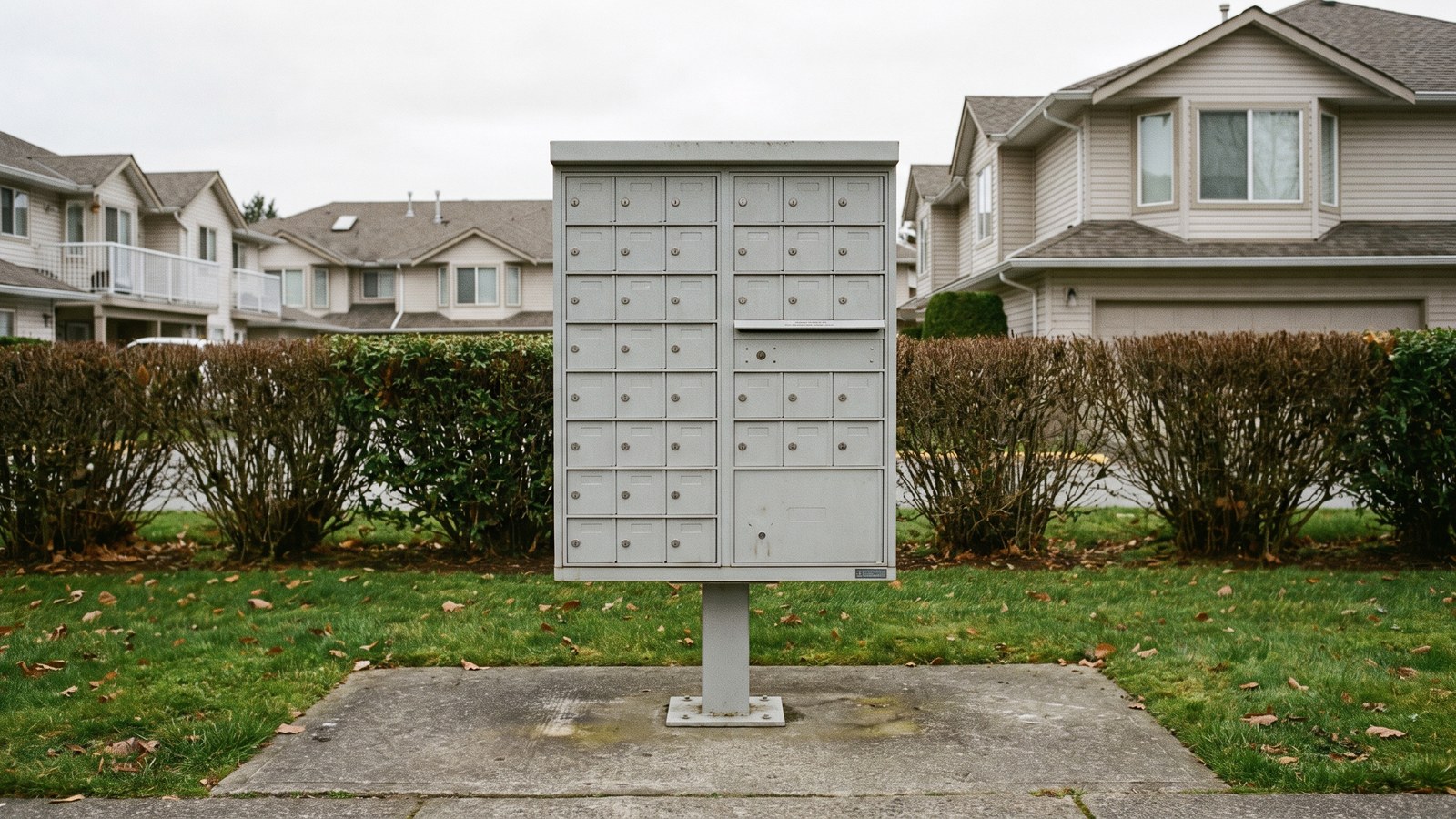
What the lien can do
Three things are worth understanding about the lien itself, because together they explain why this escalates faster than owners expect.
It is recorded, and dated from the recording
It lasts five years, and it keeps growing
It can be foreclosed like a mortgage
Where it ranks, and what happens if the lender forecloses
On priority, both sections say the same thing in slightly different words: the association lien is prior to any lien or encumbrance subsequently arising or created, except for liens for real estate taxes and assessments of political subdivisions and liens of first mortgages that have been filed for record.
So it beats most later claims but sits behind the taxes and behind a recorded first mortgage. One wording difference is worth flagging: the planned community section describes the mortgage carve-out as mortgages "filed for record prior to the recording of the lien", which is explicitly time-ordered, while the condominium section does not phrase it that way. We have not read case law on the point and are not going to tell you what turns on it — but if your situation depends on the sequence of recordings, that is a question to put to an attorney.
The association does not simply get forgotten
In the planned community section there are three provisions about what happens when somebody else forecloses, and they are worth knowing:
- A lienholder commencing a foreclosure action shall name the owners association as a defendant.
- The association or the lienholder is entitled to the appointment of a receiver to collect rental payments due on the property — and rent collected during the foreclosure is applied first to the common expenses chargeable to the lot during the action.
- Unless the declaration or bylaws prohibit it, the association may become a purchaser at the foreclosure sale.
We are quoting those three from the planned community section specifically. We did not read the equivalent later divisions of the condominium section, so we are not going to assert that the condominium regime works identically — the parallel is close but we have not verified it that far.
Facing an association foreclosure?
The timeline is usually shorter than people expect. If selling is the route out, we can close as fast as 7 days — and we would rather look at it early, while there are still options, than after a sale date is set.
If you are selling
A recorded association lien behaves like other liens at closing: the title company finds it, obtains a payoff, and settles it from the proceeds. We have set that general sequence out in our article on judgment liens and will not repeat it here. Two things are specific to this situation, though.
The first is that the payoff is a moving figure. Because the lien continues to pick up interest, fees and court costs, a number quoted three weeks ago is not the number at closing. Get it refreshed close to the date.
The second is that association arrears are one of the few debts where the amount owed can be substantially more than the assessments missed, once legal and collection costs are in. If you are working out whether a sale clears what you owe, use the full payoff breakdown, not the assessment arithmetic.
Where this leaves your options
- Keep it and clear the arrears. Ask for the breakdown first. Where legal fees have accrued, a lump sum arrangement may achieve far more than the same money paid monthly, given the order payments are applied in.
- Repair, then list. Only sensible once you know the payoff. Money spent on the property while a growing lien sits on it may not come back to you.
- Rent it out. Note the receiver provision — where a foreclosure is under way, rents can be directed to the common expenses rather than to you.
- List it with an agent. Expect 5.5%–6% commission plus closing costs and a market timeline. A recorded lien will need resolving before a buyer's lender is satisfied.
- Sell it yourself. Same requirement, and you will be chasing the payoff figure yourself.
- Sell direct to a cash buyer. No repairs, no cleanout, closing as fast as 7 days and typically around 21 days. Where an association foreclosure is moving, the certainty of a date is usually the point.
We will not claim a cash sale nets more. On a sound condo with modest arrears, listing it and paying the lien off at closing will often leave you better off. Work out the net each way — price, minus the full association payoff, minus commission, minus closing costs, minus every month of assessments still accruing while it sells. That last line is the one people forget, and on a slow-moving condo sale it is not small.
The priority and foreclosure provision, in full
The lien is prior to any lien or encumbrance subsequently arising or created, except liens for real estate taxes and assessments of political subdivisions and liens of first mortgages that have been filed for record prior to the recording of the lien, and may be foreclosed in the same manner as a mortgage on real property in an action brought by the owners association.
This article summarises ORC 5311.18 and 5312.12 as we read them and is provided for general information. It is not legal advice. Both sections yield in places to your community's declaration, bylaws and rules, which we have obviously not seen. We did not read ORC 5312.11 on how assessments are levied, the condominium section's provisions on discharging a lien, or the later divisions of the condominium section — so the receiver, association-as-purchaser and mortgagee-advance points above are stated from the planned community section only. Talk to an Ohio attorney about your own documents.
Condo or HOA debt you cannot get out from under?
Call or text 216-899-CASH. Tell us roughly what is owed and whether a lien has been recorded — those two facts shape the answer, and we will be straight with you about whether a sale actually solves it.
Frequently asked questions
Ten days. Both the condominium and planned community sections give the association a lien for charges chargeable against the unit or lot that remain unpaid ten days after any portion has become due and payable. It is a much shorter fuse than most household bills.
Interest, administrative late fees, enforcement assessments, collection costs, attorney's fees and paralegal fees — in the condominium section, where those are authorised by the declaration, the bylaws or the association rules and are chargeable against the unit.
Because of the order payments are applied in. Unless the declaration, bylaws or rules provide otherwise, a condominium association credits payments first to interest, second to administrative late fees, third to collection costs and attorney's and paralegal fees — and only fourth to the principal you owe for common expenses. Partial payments can therefore leave the principal almost untouched.
On the date a certificate of lien is filed for record with the recorder of the county where the property sits, under an authorisation given by the association's board. The certificate must describe the unit or lot, name the record owner, and state the unpaid amount.
Five years from the date of filing — unless it is sooner released or satisfied in the same manner the law provides for releasing and satisfying mortgages, or it is discharged by the final judgment or order of a court in an action brought to discharge it.
Yes. Both sections say the lien may be foreclosed in the same manner as a mortgage on real property, in an action brought on behalf of the association. That is the provision that makes association arrears a different order of problem from an unpaid utility bill.
The lien is prior to any lien or encumbrance subsequently arising or created — with exceptions for liens for real estate taxes and assessments of political subdivisions, and liens of first mortgages that have been filed for record. So it outranks most things that come after it, but not the taxes and not a recorded first mortgage.
Not in the planned community section. There, a lienholder commencing a foreclosure must name the owners association as a defendant, and the association or the lienholder is entitled to the appointment of a receiver to collect rental payments — which are applied first to the common expenses chargeable to the lot during the action. Unless prohibited, the association may also bid at the sale.
Find out what we would pay
Free, no obligation, and no pressure. If our number does not work for you, that is a perfectly fine answer.
Keep reading

Liens, Taxes & Title
There Is a Judgment Lien on Your Ohio House. Can You Still Sell?
Yes — a lien is a claim on the proceeds, not a padlock on the deed. But the "judgment liens expire after five years" you have read is wrong, and it matters.
Liens, Taxes & Title
A Contractor Put a Lien on Your House. You Can Force the Issue
Ohio gives a house owner a move most people never hear about: make the lienholder sue within 60 days, or the lien is void and the property wholly discharged.

The Cash Offer Process
Why We Use a Title Company — Protecting Both Buyer and Seller
What a title company actually does, why every deal goes through one, and why a buyer who suggests skipping it is telling you something important about themselves.