Should You Get a Home Inspection Before Selling in Ohio?
Some sellers hire their own home inspector before they list. The idea is simple: find the problems before the buyer does. That can help. It also changes what you know about your house. Here is what Ohio law says about home inspections, and how to decide whether one makes sense for you.
An unfinished basement with a lit work flashlight on a wooden workbench, a blank clipboard, a small step ladder and an old stone foundation wall
A pre-listing inspection can help you price the house and avoid surprises. In Ohio, the inspector must be licensed, work under a written contract and give a report that lists problems and what was not checked. Keep two things in mind. It is a visual exam, not a code or pest check. And what it finds becomes part of what you know when you fill out the disclosure form.
What an Ohio home inspection is, and is not
Ohio has licensed home inspectors since 2019, under ORC Chapter 4764. The law defines a home inspection as a visual examination of the "readily accessible" parts of a house. That means what the inspector can see without moving your belongings, taking things apart or doing anything risky.
| Part of a home inspection | Not part of a home inspection |
|---|---|
| Visual exam of parts that are readily accessible | Pest inspections |
| A written report on condition | Environmental testing |
| Notes on what was deficient | Inspections by an insurer for insurance purposes |
| A list of what was not inspected, and why | Deciding if the house meets building, zoning or historic codes |
From ORC 4764.01(C), (D) and (G). Some of the excluded items can be ordered separately from other specialists.
Would rather skip the inspection and the repairs?
Send us the address. We buy houses as-is and give you a written cash offer, with no inspection list to fix.
What the report must include
Ohio law says a home inspection report must cover four things. These help a seller see both what was found and what was left out.
- Any system or part the inspector believes is deficient, and how deficient it is.
- The inspector's recommendation to repair it or to keep an eye on it.
- A list of systems or parts the standards call for that were not inspected.
- The reason each of those was not inspected.
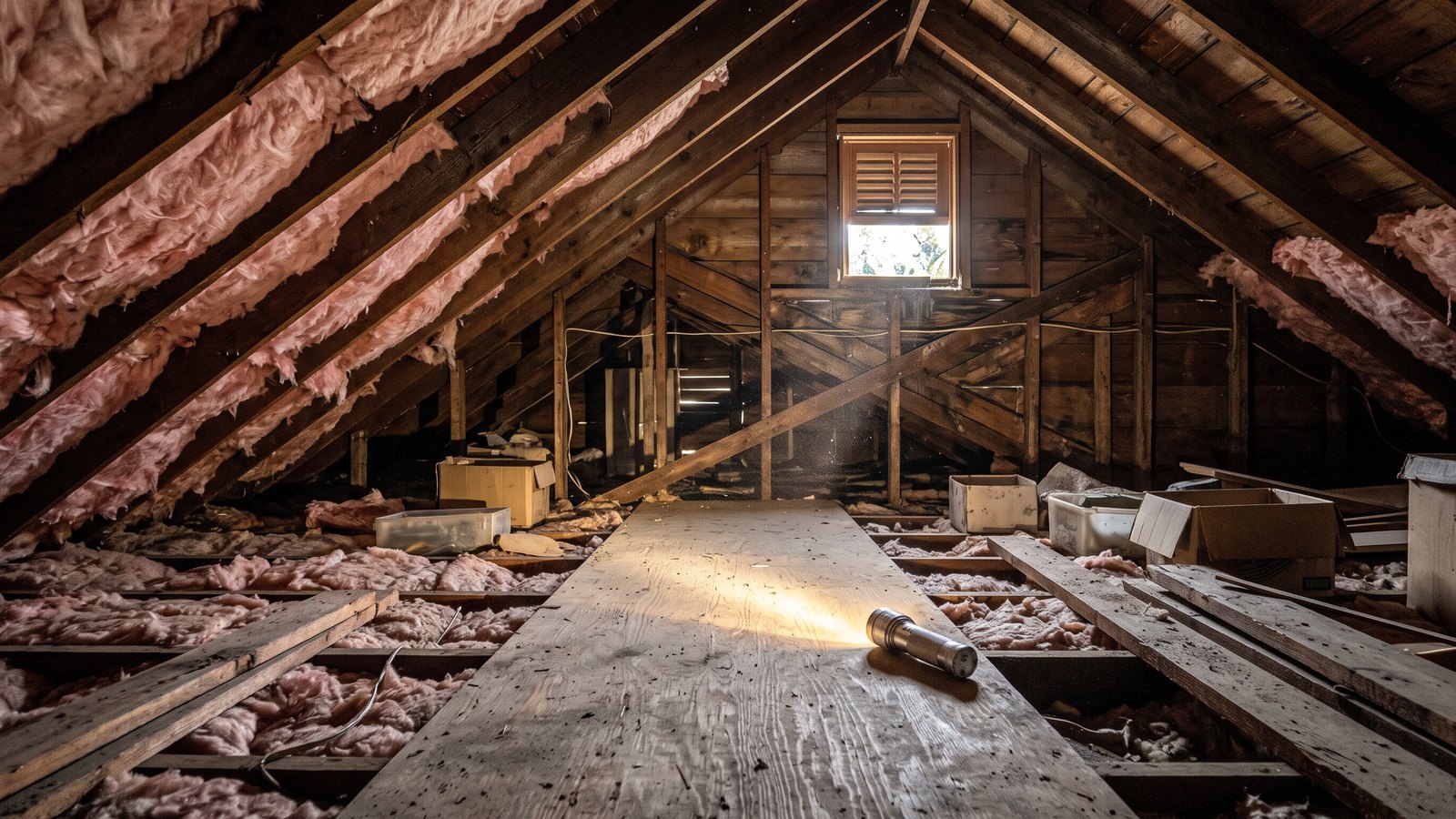
Because the law limits the exam to what is "readily accessible," a little prep helps. The inspector does not have to move your belongings or take anything apart. Before the visit, clear a path to the attic hatch, the furnace and water heater, the electrical panel and any crawl space. Move boxes away from basement walls. Fewer blocked areas means fewer items on the "not inspected" list, and a report that tells you more.
How to check the inspector
Under ORC 4764.02, no one may do a home inspection for pay, or claim to be qualified to, without a license. The inspection must be done under a written contract and follow the rules of the Ohio home inspector board. A person may not lie about being licensed.
Ask for the license
Get a written contract
Ask about insurance
Ask what is excluded
Keep the report
Some professionals do not need a home inspector license when working in their own field. ORC 4764.03 lists building code officials, licensed architects, professional engineers, licensed HVAC, electrical and plumbing contractors, real estate agents and brokers, licensed appraisers, insurance adjusters and pesticide applicators.
The disclosure question
This is the part many sellers miss. Ohio's property disclosure form, under ORC 5302.30, covers material defects "within the actual knowledge" of the seller. The law also says a seller is not liable for errors on the form about things that were not within the seller's actual knowledge.
A pre-listing report puts its findings into what you know. That is not a reason to avoid an inspection. It is a reason to read the report closely and fill out the form with care. Some sales are exempt from the form. Our post on Ohio disclosure form exemptions lists them.
You can file a written complaint, and the state's superintendent of real estate and professional licensing may investigate under ORC 4764.12. Ohio also has a home inspection recovery fund for people with a final court judgment against a licensed inspector for breaking the licensing law. Under ORC 4764.21, the fund pays no more than $40,000 for any one licensee.
When a pre-listing inspection may help
- You plan to list and want to fix or price in problems before buyers see them.
- The house is older and you are unsure about the roof, furnace or plumbing.
- You want to know which repairs matter before spending money on any of them.
- You want fewer surprises once a buyer's own inspection comes back.
We will not quote what an inspection costs. Prices vary by inspector and by house, and we have not verified a current figure. Ask two or three licensed inspectors for a written quote.
Common situations
The report says the attic was not inspected
Ohio law says the report must list any systems or parts the standards call for that were not inspected, and why. Maybe the hatch was blocked by stored boxes, or the space was not safe to enter. If the reason can be fixed, ask whether the inspector can come back and finish that part.
The inspector suggests a pest or radon test
Pest inspections and environmental testing are outside Ohio's definition of a home inspection. They are separate services. Decide whether the house and your buyer pool make them worth doing before you list.
The furnace is flagged as near the end of its life
The report must say how deficient an item is and recommend repair or monitoring. You can replace it, price the house to reflect it, or sell as-is. Whatever you choose, read the disclosure form closely, since you now know about the issue.
Who oversees home inspectors in Ohio?
ORC 4764.04 places the Ohio home inspector board in the Department of Commerce for administrative purposes. The superintendent of real estate and professional licensing handles licenses and investigations under the chapter.
Know your net proceeds
An inspection is one more cost before you sell, along with any repairs it leads to. With made-up numbers, a $150,000 house listed with a 6% commission pays $9,000 to agents, plus closing costs, repairs and the months of holding costs. A direct sale skips the commission and repairs, but the offer is often lower than a top listing price. Compare the full net each way. A cash sale does not always net more. If you order a pre-listing inspection, count its fee in the listing column too.
Your six options
| Option | Does an inspection help? | What to weigh |
|---|---|---|
| Keep it | Can guide future repairs | Ongoing upkeep and taxes |
| Repair it | Yes, it shows where to start | Cash and time, payback not certain |
| Rent it out | Can flag safety items first | Landlord duties |
| List with an agent | Often, to avoid buyer surprises | Commissions often run 5.5% to 6% |
| Sell it yourself (FSBO) | Often, buyers will ask | You handle the questions |
| Sell direct for cash | Usually not needed for an as-is buyer | As fast as 7 days, typically around 21. The price is often lower |
Disclosure rules still apply unless a sale is exempt. Ask an attorney about your situation.
Compare an as-is offer with listing
We buy houses across Cleveland and Northeast Ohio in any condition. Ask for a written number and compare your net.
This article summarizes Ohio Revised Code Chapter 4764 and section 5302.30 as we read them in November 2026. It is general information, not legal advice. We did not cover the home inspector board's standards of practice, inspection prices or local point-of-sale inspections. Talk to an Ohio real estate attorney about your disclosure duties.
Not sure an inspection is worth it?
Call or send us the address. We will explain how an as-is sale works, and the choice stays yours.
Frequently asked questions
Yes. Ohio law says no one may knowingly do a home inspection for pay, or claim to be qualified to, without a home inspector license. Some licensed professionals, like engineers and licensed electricians, are exempt when working within their own field.
It is a visual exam of the parts of the house that are readily accessible. That means what can be seen without moving belongings, taking anything apart or creating risk.
Ohio's definition leaves out pest inspections, environmental testing, insurance inspections, and deciding whether the house meets building, zoning or historic codes.
Anything the inspector finds deficient, a recommendation to repair or monitor it, a list of items in the standards that were not inspected, and the reason each was skipped.
Yes. Ohio law says a home inspection may only be done under a written contract between a licensed home inspector and the client.
It can. Ohio's disclosure form covers material defects within the seller's actual knowledge. Once you read a report, its findings are things you know. Ask an attorney how to handle specific findings.
Licensed inspectors must carry general liability insurance of at least $100,000 per occurrence and $300,000 total, covering acts while on the property doing the inspection.
Find out what we would pay
Free, no obligation, and no pressure. If our number does not work for you, that is a perfectly fine answer.
Keep reading

Inherited Property & Probate
Which Ohio Home Sales Are Exempt From the Disclosure Form?
Ohio law exempts fourteen kinds of transfer from the residential property disclosure form — including most estate sales and inherited houses you never lived in.

Why Sell As-Is
Expensive Repairs Homeowners Face When Listing — And Why You Rarely Get That Money Back
What a buyer’s inspection typically demands, what those repairs cost in the Cleveland area, and why spending $20,000 to list rarely returns $20,000 in price.
Why Sell As-Is
Selling an Ohio House With Unpermitted Work
Whether the work needed plans filed at all turns on a question about your address, not a universal rule. And the power a city has to make you undo it is narrower than the internet suggests.