What Your Ohio Real Estate Agent Must Tell Buyers About Your House
Sellers often ask their agent, "Do we have to mention that?" In Ohio, the answer does not depend only on you. Your agent has a duty of their own under state law. Here is what that duty covers, what it does not, and who is on the hook when information turns out to be wrong.
An empty living room in an older house with hardwood floors, a tall window with a sheer curtain and a faint water stain in one ceiling corner
Under ORC 4735.67, an Ohio agent must tell buyers about material facts on the home's physical condition that the agent actually knows and that a careful inspection would not reveal. The agent does not have to hunt for hidden defects. But once you tell your agent about one, the duty to disclose it is theirs, and you cannot waive it for them.
What the agent must disclose
Ohio law says a licensed real estate agent "shall disclose to any purchaser" all material facts the agent actually knows about the physical condition of the property, if a buyer would not discover them with a reasonably diligent inspection. The law names three kinds of facts:
- Material defects in the property.
- Environmental contamination.
- Information that any statute or rule requires be disclosed.
A licensee shall disclose to any purchaser all material facts of which the licensee has actual knowledge pertaining to the physical condition of the property that the purchaser would not discover by a reasonably diligent inspection.
The key words are "actual knowledge." An agent who acts with reckless disregard for the truth is treated as if they knew. The phrase "would not discover by a reasonably diligent inspection" matters too. The duty is about hidden problems, not ones a buyer can plainly see. And it runs to "any purchaser," not only a buyer the agent happens to be working with.
Would rather not list at all?
Send us the address. We buy houses as-is and give you a written cash offer to compare with listing.
What the agent does not have to do
ORC 4735.67(B) sets limits. An agent is not required to discover latent, or hidden, defects. The agent does not have to give advice outside what a real estate license covers, such as engineering or legal opinions. And the agent does not have to check whether what the seller says is accurate or complete.
There is one exception to that last point. If the agent is aware of information that should reasonably make them question the seller's statements, the safe harbor no longer applies.
| Situation | Agent's duty under ORC 4735.67 |
|---|---|
| Agent actually knows of a hidden material defect | Must disclose to any buyer |
| Agent ignores obvious signs with reckless disregard | Treated as knowing |
| Defect is hidden and the agent has no idea | Not required to discover it |
| Seller says the roof is fine, nothing suggests otherwise | Not required to verify |
| Seller says the roof is fine, but the agent sees ceiling stains | May need to question the statement |
Our plain reading of ORC 4735.67(A) and (B). Whether a defect is "material" depends on the facts.
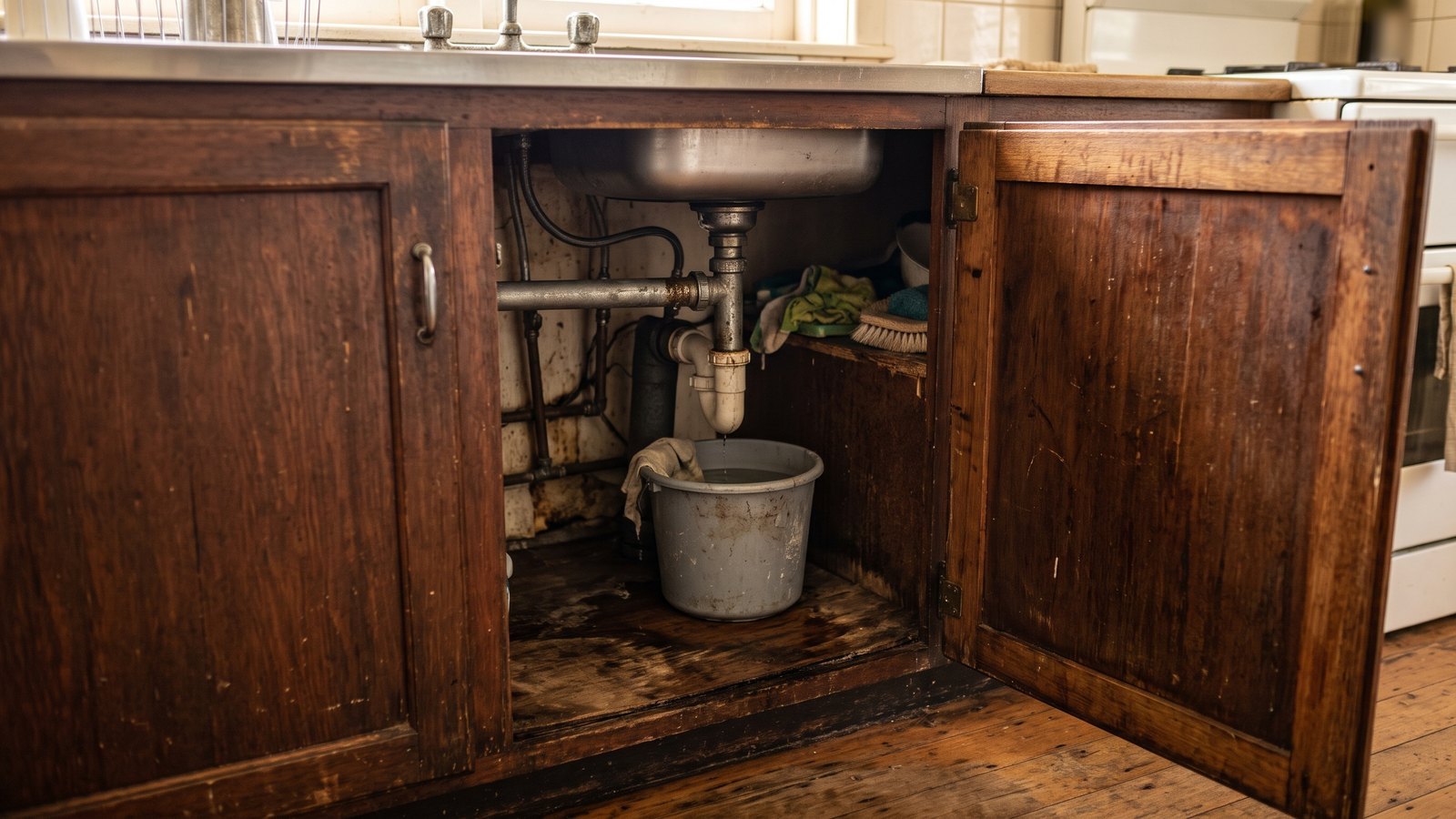
Who is liable when information is wrong
ORC 4735.68 sorts out blame between sellers and agents. It works in both directions.
You give your agent false information
Your agent misstates something
The brokerage has old records
The agent discloses honestly
Your own duties as the seller
The agent's duty does not shrink yours. ORC 4735.67(C) says nothing in the agent rule limits any obligation of the seller to disclose material facts the seller knows about physical condition. It also does not limit the buyer's obligation to inspect the house.
For most sellers of homes with one to four units, Ohio's property disclosure form under ORC 5302.30 asks about material defects within the seller's actual knowledge. Some sales are exempt from the form. Our post on Ohio disclosure form exemptions lists them. If you had a pre-listing inspection, what it found is part of what you know.
If you sell without a listing agent, there is no listing agent to carry this duty. Your own duties as the seller, including the disclosure form unless the sale is exempt, still apply either way.
ORC 4735.67(D) says the law does not limit a buyer's obligation to tell the seller about material adverse facts the buyer knows about their own ability to pay or close. Disclosure is not only a seller's job.
How to talk with your agent about the house
- Make a written list of problems you know about, past and present.
- Gather repair receipts, permits and warranties for work that was done.
- Be accurate. Your agent may pass on what you say, and your own form should match.
- Ask how the agent plans to describe any issue to buyers.
- Ask a real estate attorney if you are unsure whether something is material.
Common situations
You mention an old basement leak at the listing appointment
If the leak is a material fact a buyer would not find with a careful inspection, your agent now actually knows it. Ohio law says the agent shall disclose it to buyers. Talk with your agent about how it will be described, and be accurate on your own form.
Your agent notices signs you did not mention
Say you tell your agent the basement is dry, but the agent sees fresh water lines on the wall. Under ORC 4735.67(B), an agent normally does not have to verify what the seller says. That changes when the agent is aware of information that should reasonably make them question it. Expect your agent to ask follow-up questions.
You fixed a problem years ago
Tell your agent what was fixed and when. Bring the receipts so the details are right. Whether a past repair is a material fact depends on the details. If you are unsure, ask a real estate attorney.
Know your net proceeds
Disclosed defects often show up in buyer requests for repairs or price cuts. With made-up numbers, a $150,000 house listed with a 6% commission pays $9,000 in commission, plus closing costs, any repair credits and months of holding costs. A direct sale skips the commission and repair requests, but the offer is often lower than a top listing price. Compare the full net each way. A cash sale does not always net more.
Your six options
| Option | Who handles disclosure | What to weigh |
|---|---|---|
| Keep it | No sale, no disclosure yet | Upkeep and repairs continue |
| Repair it | Fix first, then disclose what applies | Cash and time up front |
| Rent it out | Landlord rules apply instead | Tenant duties and vacancy |
| List with an agent | You and your agent each have duties | Commissions often run 5.5% to 6% |
| Sell it yourself (FSBO) | You, with no agent | You answer every buyer question |
| Sell direct for cash | You, to the buyer | As fast as 7 days, typically around 21. The price is often lower |
The seller form under ORC 5302.30 applies unless the sale is exempt. Ask an attorney about your situation.
See an as-is offer next to a listing
We buy houses across Cleveland and Northeast Ohio in any condition. Get a written number and compare your net.
This article summarizes Ohio Revised Code 4735.67, 4735.68 and 5302.30 as we read them in November 2026. It is general information, not legal advice. We did not cover court decisions, common-law fraud or what counts as a material defect in a given case. Talk to an Ohio real estate attorney about your situation.
Questions about selling a house with known issues?
Call or send us the address. We will explain how an as-is sale works, and the decision stays yours.
Frequently asked questions
All material facts the agent actually knows about the property's physical condition that a buyer would not find with a reasonably diligent inspection. That includes material defects, environmental contamination and anything a statute or rule requires be disclosed.
The duty belongs to the agent. Once the agent actually knows a material fact about physical condition that a buyer would not find with a reasonably diligent inspection, Ohio law says the agent shall disclose it to any purchaser.
No. The law says an agent is not required to discover latent defects or to verify the seller's statements, unless the agent is aware of information that should reasonably cause them to question those statements.
Not if they act with reckless disregard for the truth. In that case, Ohio law infers that the agent had actual knowledge.
Under Ohio law, no claim arises against the client for the agent's misrepresentation unless the client actually knew about the misrepresentation.
Not unless the agent actually knew it was false or acted with reckless disregard for the truth.
No. The law says the agent's duty does not limit any obligation of the seller to disclose known material facts about physical condition, or the buyer's obligation to inspect.
Find out what we would pay
Free, no obligation, and no pressure. If our number does not work for you, that is a perfectly fine answer.
Keep reading

Inherited Property & Probate
Which Ohio Home Sales Are Exempt From the Disclosure Form?
Ohio law exempts fourteen kinds of transfer from the residential property disclosure form — including most estate sales and inherited houses you never lived in.
Why Sell As-Is
Should You Get a Home Inspection Before Selling in Ohio?
A pre-listing inspection can show what a buyer will find. Ohio licenses home inspectors and says what their reports must include. Here is what to know first.

Investor vs Realtor
Dual Agency in Ohio: What a Seller Gives Up
When the same agent or the same brokerage represents your buyer too, Ohio law changes what they are allowed to do for you. The statute spells it out — including a sentence saying a dual agent may not be able to advocate for you the way your own agent could.