Unpaid Sewer Bills and Selling Your House in Northeast Ohio
Around Cleveland, the sewer part of a utility bill is often the bigger number. If those charges go unpaid, they do not just sit on an account. Ohio law lets a regional sewer district turn them into a lien on the house and add them to the property tax bill. If you are selling, here is what that means and how it usually gets handled.
An older two-and-a-half story house after a light autumn rain, with a downspout beside the porch steps and wet leaves on the lawn and walks
Under ORC 6119.06(W), when a regional water and sewer district certifies unpaid charges to the county auditor, they become a lien on the property, go onto the tax list, and are collected like property taxes. When you sell, that usually means the title company finds them with the taxes and pays them from your proceeds.
Why sewer is its own question
Many Cleveland-area bills mix water and sewer. But under Ohio law they can be run by different kinds of public bodies. Municipal waterworks follow one section of the Revised Code. Regional water and sewer districts follow Chapter 6119. Our water bill guide covers the municipal water rule. This post covers the regional sewer rule.
Locally, this matters because of the Northeast Ohio Regional Sewer District. Its own published history says that on April 4, 1972, a judge ruled that a regional sewer district should be set up under Chapter 6119.
Behind on utility bills?
Tell us about the house. We can walk through how utility and tax balances come out of a sale, with no pressure.
What the law says
...if such rentals or other charges are not paid when due and upon certification of nonpayment to the county auditor, such rentals or other charges constitute a lien upon the property so served, shall be placed by the auditor upon the real property tax list and duplicate, and shall be collected in the same manner as other taxes.
- The district may charge and collect "rentals and other charges" for its services.
- It may refuse service if those charges, including late penalties, are not paid.
- Unpaid charges can be certified to the county auditor.
- Once certified, they are a lien on the property served.
- They go on the real property tax list and are collected like other taxes.

How a sewer balance can follow the house
The last step is how sales usually work, not a rule in the statute. Because the charges are collected like taxes, a title company typically handles them along with the tax payoff. Ask yours to confirm.
Three exceptions in the law
| Situation | Can earlier charges go on the tax bill? |
|---|---|
| Property transferred or sold to an "electing subdivision" as defined in ORC 5722.01 | No, for charges from before that transfer or sale |
| Sold at sheriff's or auditor's sale to a buyer who is not the prior owner or a listed related person or entity | No, for charges from before the sale was confirmed |
| Forfeited to the state for delinquent taxes | No, unless the owner of record redeems the property |
| A normal sale from you to a buyer | No exception listed. Expect the charges to be paid at closing |
Our plain reading of ORC 6119.06(W)(2). "Related" covers the prior owner's immediate family and certain businesses and trusts they control, as the statute lists. Ask an attorney how it applies to you.
There is also a fix for mistakes. If charges were put on the tax bill when one of those exceptions applied, ORC 6119.06(W)(3) lets an owner of record send the county auditor written notice with the parcel number, the address, the date the transfer was recorded, and the charge. The law says the auditor shall then promptly remove it.
And if a county land bank takes title, ORC 6119.06(W)(4) says the lien for earlier charges it did not incur is extinguished. The district can still try to recover from the prior owner. Our land bank guide covers that path.
Who counts as "related" at a sheriff's sale
The sheriff's sale exception does not help a buyer who is really the old owner in a new hat. The statute says it does not apply if the buyer is the owner of record right before the foreclosure judgment, or any of these:
- A member of that owner's immediate family.
- A person holding a power of attorney from that owner who later transfers the property back to the owner.
- A sole proprietorship owned by the owner or an immediate family member.
- A partnership, trust, business trust, corporation or association that the owner or an immediate family member owns or controls, directly or indirectly, by more than fifty percent.
Common situations
You inherited a house with months of unpaid utilities
Bills often pile up while an estate is being settled. If sewer charges were certified, they are a lien on the house and will show up with the taxes. Tell the title company early so the payoff is part of the closing numbers, and keep the estate's records of what was paid.
Your tenant was supposed to pay the sewer bill
The statute talks about charges for the property served, and once certified, the lien is on the property. A lease may let you seek repayment from a tenant, but that is between you and the tenant. Ask an attorney about your lease.
You bought the house at a sheriff's sale and old charges showed up
If you are not related to the prior owner as the statute describes, earlier charges should not have been placed on the tax list. You can send the county auditor the written notice described above.
Steps before you sell
Pull your latest bills
Check your tax bill
Call the district
Tell your title company
Plan the final bill
Sewer rates, late fees and certification schedules change and differ by place. We did not verify any of them, so we do not quote any. Get your own balance from the district in writing.
Know your net proceeds
Any certified sewer charges come out of your proceeds just like back taxes. Here is a simple example with made-up numbers. It is for teaching only.
| Line item | Listing (example) | Direct cash sale (example) |
|---|---|---|
| Sale price | $140,000 | $118,000 |
| Agent commission (6%) | -$8,400 | $0 |
| Repairs before listing | -$5,000 | $0 (sold as-is) |
| Holding costs while on the market | -$3,000 | -$700 |
| Seller closing costs (estimate) | -$1,900 | -$1,000 |
| Estimated net before any utility or tax payoffs | $121,700 | $116,300 |
Made-up numbers. In this example the listing nets more, which is often true. Certified sewer charges and taxes come out of either column. A cash sale does not always net more.
Your six options
| Option | With unpaid sewer charges | What to weigh |
|---|---|---|
| Keep it | Pay or set up a plan with the district | Ongoing bills and possible tax-bill charges |
| Repair it | Charges still need to be paid | Cash and time up front |
| Rent it out | Decide who pays utilities in the lease | Landlord duties |
| List with an agent | Paid from proceeds at closing | Commissions often run 5.5% to 6% |
| Sell it yourself (FSBO) | You coordinate the payoff with the title company | More work, no commission |
| Sell direct for cash | Paid from proceeds at closing | As fast as 7 days, typically around 21. The price is often lower |
A utility balance rarely stops a sale on its own, but it does lower what you take home.
Compare a written offer
We buy houses across Cleveland and Northeast Ohio as-is. Ask for a written number and see your net after payoffs.
This article summarizes Ohio Revised Code 6119.06(W) as we read it in November 2026, and the Northeast Ohio Regional Sewer District's published history. It is general information, not legal advice. We did not cover rates, fees, billing schedules or city-run sewer systems. Check your balance with your district and talk to an attorney with questions.
Questions about your payoffs?
Call or send us the address. We will explain how our offers and closings work, and the decision stays yours.
Frequently asked questions
For a regional water and sewer district, yes. If charges are not paid when due and nonpayment is certified to the county auditor, they become a lien on the property served, are placed on the tax list, and are collected like other taxes.
The district's own published history says a 1972 court ruling called for a regional sewer district to be established under Chapter 6119 of the Ohio Revised Code.
The statute says a district may refuse the services of its projects if rentals or other charges, including late penalties, are not paid by the user.
Yes. Three are listed: some transfers to an electing subdivision, some sheriff's or auditor's sales to unrelated buyers, and property forfeited to the state for delinquent taxes unless the owner redeems. Each applies to charges from before that event.
An owner of record can give the county auditor valid written notice, with the parcel number, address, date the transfer was recorded and the charge. The auditor shall then promptly remove it.
When title goes to a county land reutilization corporation, the lien for earlier charges it did not incur is extinguished. The district can still try to collect from the prior owner.
Not necessarily. Municipal water is covered by a different section, ORC 743.04. Our water bill guide explains that one.
Find out what we would pay
Free, no obligation, and no pressure. If our number does not work for you, that is a perfectly fine answer.
Keep reading
Liens, Taxes & Title
When an Unpaid Water Bill Becomes a Lien
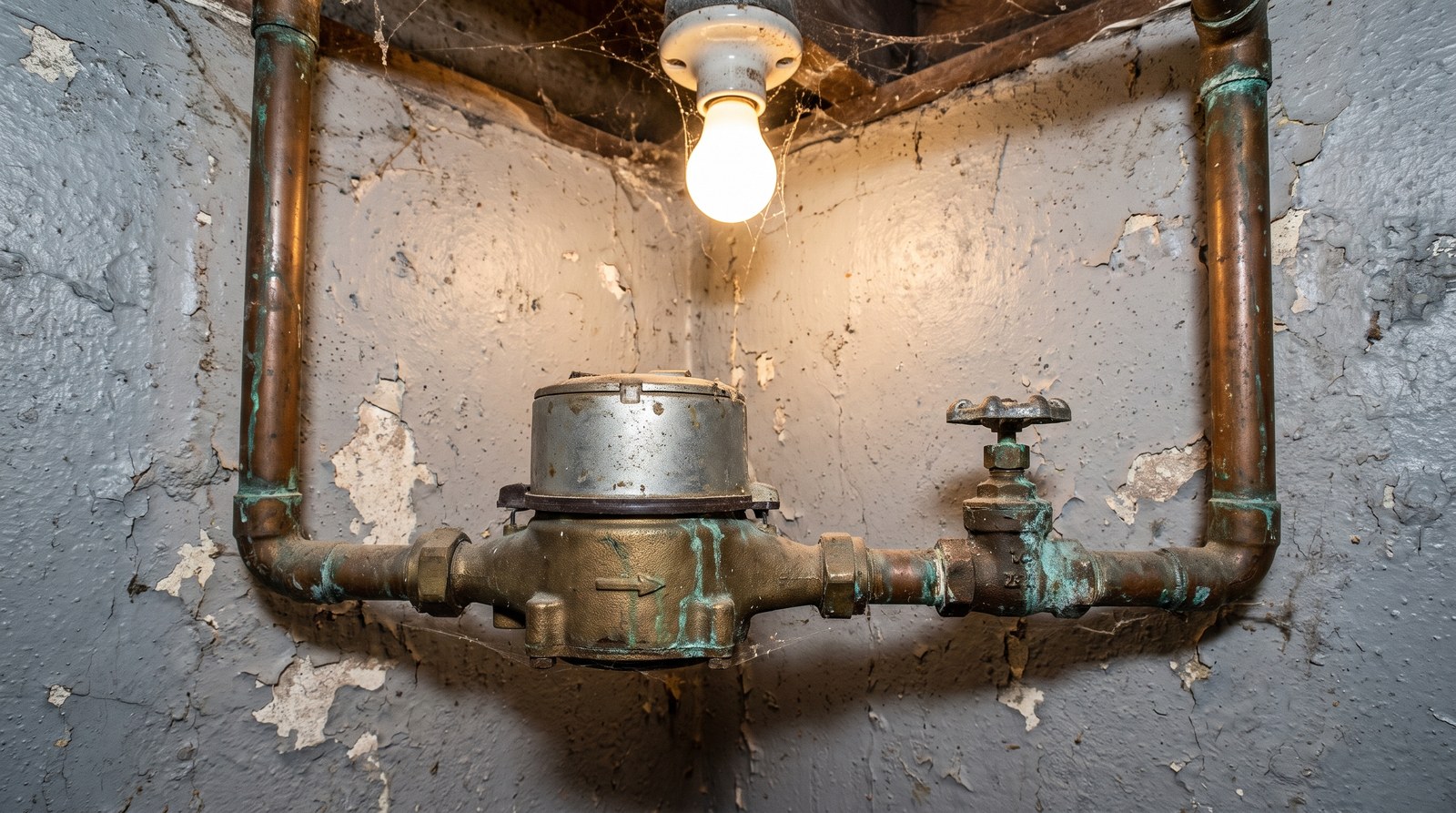
Ohio gives anyone selling a house the right to demand a meter reading and a final water bill within ten days. It also limits when an unpaid bill can be put on your tax duplicate at all — and gives you a way to get a wrong one removed.

Liens, Taxes & Title
Can I Sell a House With Back Property Taxes in Cleveland?
Yes — unpaid taxes are a lien, and liens get paid at closing. The more useful question is whether you still qualify for the payment plan Ohio law entitles you to.
Foreclosure & Hardship
Can You Give a Tax-Delinquent House to the Land Bank in Ohio?
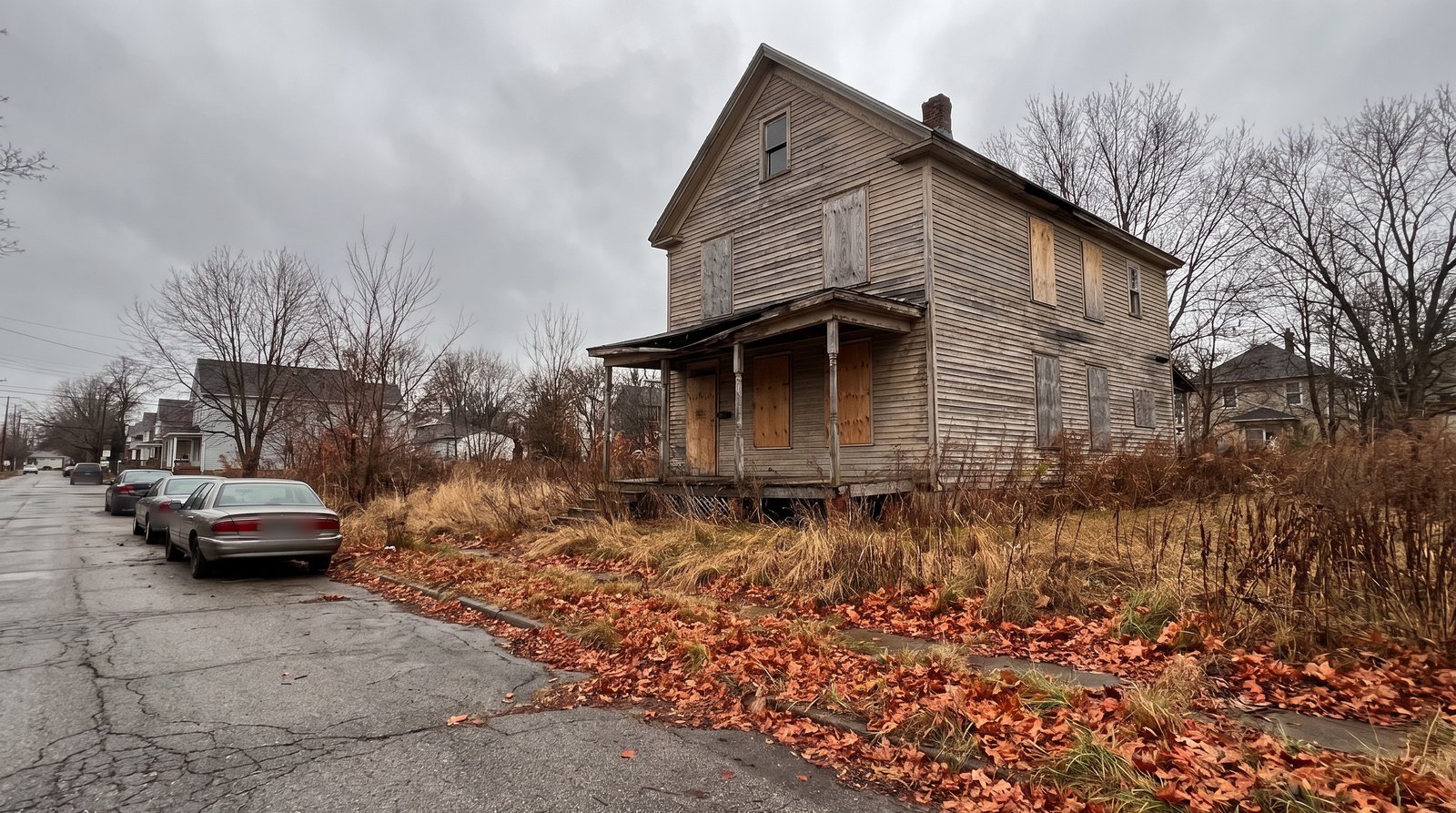
Ohio law lets a county land bank or local government accept a tax-delinquent property in place of foreclosure. Here is how the conveyance works, what it requires, and how it compares to selling.