Selling a House With a Home Office: What the IRS Says
If you have worked from home, you may have taken a home office deduction on your taxes. When it is time to sell, a natural worry is whether that office makes part of the sale taxable. The IRS has clear rules, and for many sellers the answer is less scary than they expect.
A small home office in a spare bedroom with a wooden desk under a window, a closed laptop, a lamp, a filing box and a potted plant on wood floors
If your office was a room inside your house, the IRS says you do not have to split your gain between the office and the home. You still cannot exclude depreciation from after May 6, 1997, which is taxed. If the office was in a separate building, gain on that part generally cannot be excluded. Years you used the simplified method have no depreciation to recapture.
Where was the office?
IRS Publication 523 says the treatment depends partly on whether the business part of the property is part of your home or separate from it. That one question sorts most sellers into the right box.
| Where the business space was | Split the gain? | What still applies |
|---|---|---|
| A room inside the house, like a spare bedroom or attic office | No | Depreciation after May 6, 1997 cannot be excluded |
| A separate structure, like an office over a detached garage | Yes. Gain on that part generally cannot be excluded | Only the residential part qualifies for the exclusion |
| Simplified method years | Same as above, based on location | No depreciation and no recapture for those years |
From IRS Publication 523 and the IRS simplified home office method page. The home sale exclusion has its own ownership and use tests, covered in our capital gains post.
Want a number to give your tax pro?
Send us the address. We will give you a written cash offer, so you and your tax professional can work out your gain with a real price.
An office inside your living space
Publication 523 gives examples of space within the living area: a room used as a home office, a rented spare bedroom, and attic space used as a home office. For space like this, you do not need to allocate gain between the business part and the home part. You also do not need to report the sale of the business part on Form 4797. The IRS says this is true "whether or not you were entitled to claim any depreciation."
There is one catch. You cannot exclude the part of your gain equal to depreciation "allowed or allowable after May 6, 1997." That amount must be recaptured and is taxed. Our post on depreciation recapture explains the idea in more detail for rentals.
The IRS example
Publication 523 walks through an owner who used part of a single house exclusively as a law office. Over the years, they claimed $2,000 of depreciation. They sold the house with a $13,000 gain. They had to recognize $2,000 of the gain, the depreciation, and could exclude the remaining $11,000 because they did not have to allocate gain to business use within the house.
An office in a separate building
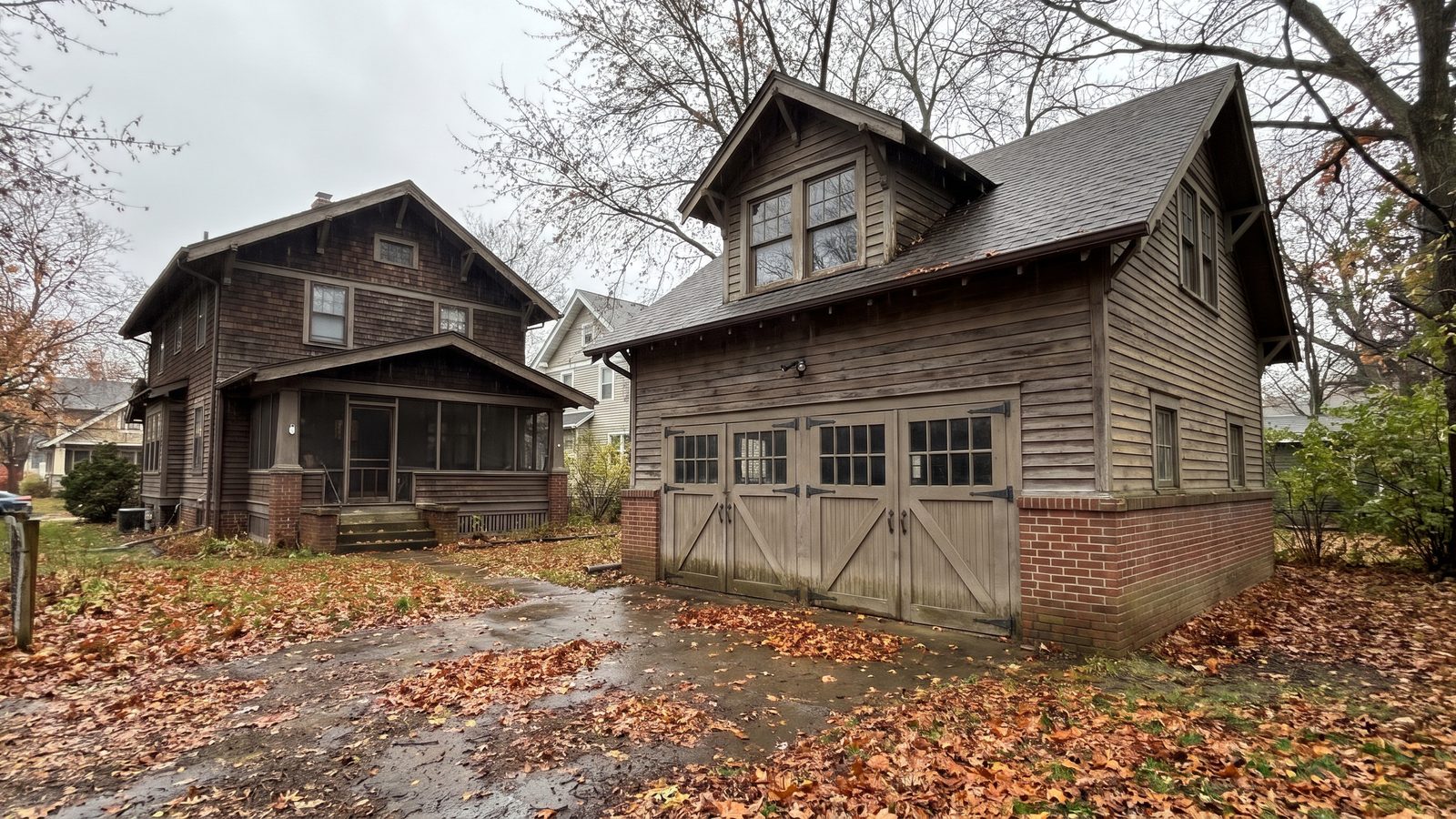
Publication 523 treats space separate from the living area differently. You generally cannot exclude gain on a separate part of your property used for business or to produce rental income. Only the gain allocable to the residential part is excludable. That might apply to an office over a detached garage or a separate studio.
The simplified method and depreciation
The IRS offers a simplified home office deduction: $5 per square foot of home used for business, up to 300 square feet. Its page says there is "no home depreciation deduction or later recapture of depreciation for the years the simplified option is used." The regular method, by contrast, includes a depreciation deduction and recapture when you sell. You choose the method each year on your timely filed original return.
Whether you owe recapture depends on what you did in past years. Pull your returns for the years you worked from home and look for a home office form or schedule. Bring them to your tax preparer before you sell, so the number is not a surprise.
Situations sellers ask about
You rented out a spare bedroom
Publication 523 lists a rented spare bedroom as an example of space within the living area, the same as a home office room. So the same idea applies: no need to split the gain, but depreciation allowed or allowable after May 6, 1997 is not excludable.
You switched between methods
You can pick the simplified or regular method each year. The IRS says that if you use the simplified method one year and the regular method in a later year, you figure depreciation for the later year using the appropriate optional depreciation table. Only regular-method years create depreciation that can be recaptured.
You also rented the whole house for a while
Renting the entire house is different from a home office. It can affect whether you qualify for the home sale exclusion at all. Our posts on capital gains and depreciation recapture on a rental cover those rules.
You are not sure what you claimed
It is fixable. Your old returns show which method you used and how much depreciation you took. If you cannot find them, a tax professional can help you request copies. Because the IRS counts depreciation that was allowable, not just what you claimed, it is worth checking even if you think you took none.
What to gather before you sell
Your past returns
Your depreciation totals
Where the office was
Your basis records
Your closing papers
Your net proceeds
Net proceeds are the price minus your mortgage payoff, closing costs and any commission. Any tax on recaptured depreciation comes later, at tax time, so set money aside for it if it applies. Here is a made-up example: a house sells for $210,000 with a $120,000 payoff, leaving $90,000 before other costs. A 6% commission on a listing takes $12,600.
Publication 523 also notes that if you have any taxable gain from your home sale, you may have to increase your tax withholding or make estimated tax payments, and it points to IRS Publication 505 for details. If recapture applies to you, ask your tax professional about timing so the tax does not land as a surprise next spring.
Your six options
| Option | Home office tax effect | What to weigh |
|---|---|---|
| Keep it | Nothing to report until you sell | Your choice of method each year affects future recapture |
| Repair it | No effect on past depreciation | Keep receipts. Improvements can affect basis |
| Rent it out | Rental use brings its own rules | See our depreciation recapture post |
| List with an agent | Same IRS rules apply | Commissions often run 5.5% to 6% |
| Sell it yourself (FSBO) | Same IRS rules apply | You handle the sale and paperwork |
| Sell direct for cash | Same IRS rules apply | We can close as fast as 7 days, typically around 21 |
How you sell does not change the tax rules. It changes your price, costs and timing.
Compare offers with your tax picture in mind
We buy houses across Cleveland and Northeast Ohio as-is. Ask for a written offer and take it to your tax professional along with your listing estimate.
This article summarizes IRS Publication 523 and the IRS simplified home office deduction page as we read them in November 2026. It is general information, not tax advice. We did not cover tax rates on recaptured depreciation, how to compute allowable depreciation, day care or other special uses, or Ohio income tax. Talk to a tax professional about your own situation.
Questions about selling a house you worked from?
Call or send us the address. We will walk you through the sale side, and you decide what comes next.
Frequently asked questions
If the office was inside your living area, IRS Publication 523 says you do not need to split the gain between the office and the home. But any depreciation allowed or allowable after May 6, 1997 cannot be excluded and must be recaptured.
Publication 523 says you generally cannot exclude gain on a separate portion of the property used for business or rental. Only the gain on the residential part is excludable.
Not always. The IRS says the depreciation that must be recaptured is the amount "allowed or allowable" after May 6, 1997, and the office rule applies "whether or not you were entitled to claim any depreciation." Ask a tax professional to check your returns.
The IRS says there is no home depreciation deduction, and no later recapture of depreciation, for the years you used the simplified option.
In Publication 523, an owner who used part of the house as an office claimed $2,000 of depreciation and sold with a $13,000 gain. They had to recognize $2,000 and could exclude the other $11,000.
Publication 523 says you do not need to report the sale of the business part on Form 4797 when it was within your home. The IRS example does use Form 4797 for the depreciation recapture amount, so check with your preparer.
No. The tax rules are the same however you sell. What changes is your price, costs and timing. We show you a written offer so you can figure your numbers with a tax pro.
Find out what we would pay
Free, no obligation, and no pressure. If our number does not work for you, that is a perfectly fine answer.
Keep reading

Liens, Taxes & Title
Do You Pay Tax When You Sell Your House?
Most sellers owe nothing. The federal rule excludes up to $250,000 of gain — $500,000 for many couples — and inherited houses usually show almost no gain at all.
Liens, Taxes & Title
Selling a Rental? How Depreciation Comes Back at Tax Time
Depreciation lowers your tax while you own a rental, then lowers your basis when you sell. Here is how federal law treats that gain, why depreciation you never claimed still counts, and the 25 percent rate that applies.
The Cash Offer Process
Form 1099-S After You Sell Your House: Who Gets One and Why
After a home sale, some sellers get a Form 1099-S and some do not. Here is who files it, the principal residence exception, what the numbers mean, and what to do with it at tax time.