Selling an Ohio House with a Failing Septic
Somebody has told you the septic is shot and the house cannot be sold until the whole system is replaced. Before you price that in, three things in Ohio law are worth knowing — because all three are more favourable than the version you were probably given.
Two round green septic inspection lids set flush in a mown back lawn with a low grassy mound beyond
Three things, all of which cut in your favour. An older system does not have to be replaced just for being old. A struggling system is not a public health nuisance until a board of health has given notice and repairs have not been made. And Ohio requires its own statewide rules to prefer repair over replacement where that is technically and economically feasible.
Septic problems get talked about in absolutes. The system is "failed", the house is "unsellable", the whole thing "has to be replaced". Sometimes that is true. Often the legal position is narrower and more workable than the conversation suggests, and it is worth knowing which one you are in before you discount the house by the price of a new system.
Old is not the same as non-compliant
Start here, because it removes the most common worry. Ohio wrote a grandfather provision into the chapter, and it is short enough to read whole.
A sewage treatment system that was in operation prior to the effective date of this section shall not be required to be replaced with a new sewage treatment system under this chapter or rules adopted under it and shall be deemed approved if the system does not cause a public health nuisance or, if the system is causing a public health nuisance as provided in section 3718.011 of the Revised Code, repairs are made to the system that eliminate the public health nuisance as determined by the applicable board of health.
Two things follow. A pre-existing system is deemed approved while it is not causing a nuisance — it does not need to meet today’s design standards to be lawful. And even where it is causing a nuisance, the route back is repairs that eliminate it, as determined by the board of health, rather than automatic replacement.
What "causing a public health nuisance" actually means
This is a defined term, not a judgement call, and the definition has a condition built into its opening words. A system is causing a public health nuisance if one of four situations occurs and, after notice by a board of health to the applicable property owner, timely repairs are not made to eliminate the situation.
Read that again. The failure alone is not the nuisance. The failure, plus notice, plus repairs not being made in time, is the nuisance.
The four situations
| Situation | What the statute describes |
|---|---|
| Not operating properly | A missing component, incorrect settings, or a mechanical or electrical failure. |
| A blockage | A blockage in a known system component or pipe causing a backup of sewage or effluent that affects the treatment process or inhibits proper plumbing drainage. |
| Documented surfacing | An inspection by, or supervised by, Ohio EPA or a registered environmental health specialist documents ponding or bleeding of liquid onto the ground or into surface water, where the liquid has a distinct sewage odour, black or grey colouration, or organic matter — plus a dye test or bacteria levels meeting the thresholds. |
| A permitted discharging system exceeding its limits | For a discharging system holding an NPDES permit, the system routinely exceeds the effluent discharge limitations in the permit. |
From ORC 3718.011(A)(1) to (A)(4). Every one of them is subject to the same opening condition: notice from a board of health, and timely repairs not made.
Been told the system has to be replaced?
Tell us what the inspection or the letter actually said and we will talk it through with you. Quite often the useful next step is a conversation with the board of health rather than a decision about selling.
The numbers behind the third situation
The third situation is the one people mean when they say the yard is wet, and it is more demanding than a visual impression. The inspection has to be conducted by, or under the supervision of, Ohio EPA or an environmental health specialist registered under the relevant chapter, and it has to document liquid ponding or bleeding onto the ground or into surface water with a distinct sewage odour, a black or grey colouration, or the presence of organic matter.
And then one of three things as well:
- The presence of sewage effluent identified through a dye test.
- Fecal coliform at or above five thousand colonies per one hundred millilitres, in two or more samples where five or fewer samples are collected, or in more than twenty per cent of samples where more than five are collected.
- E. coli counts exceeding one thousand and thirty per one hundred millilitres, on the same two-or-more or twenty-per-cent sampling structure.
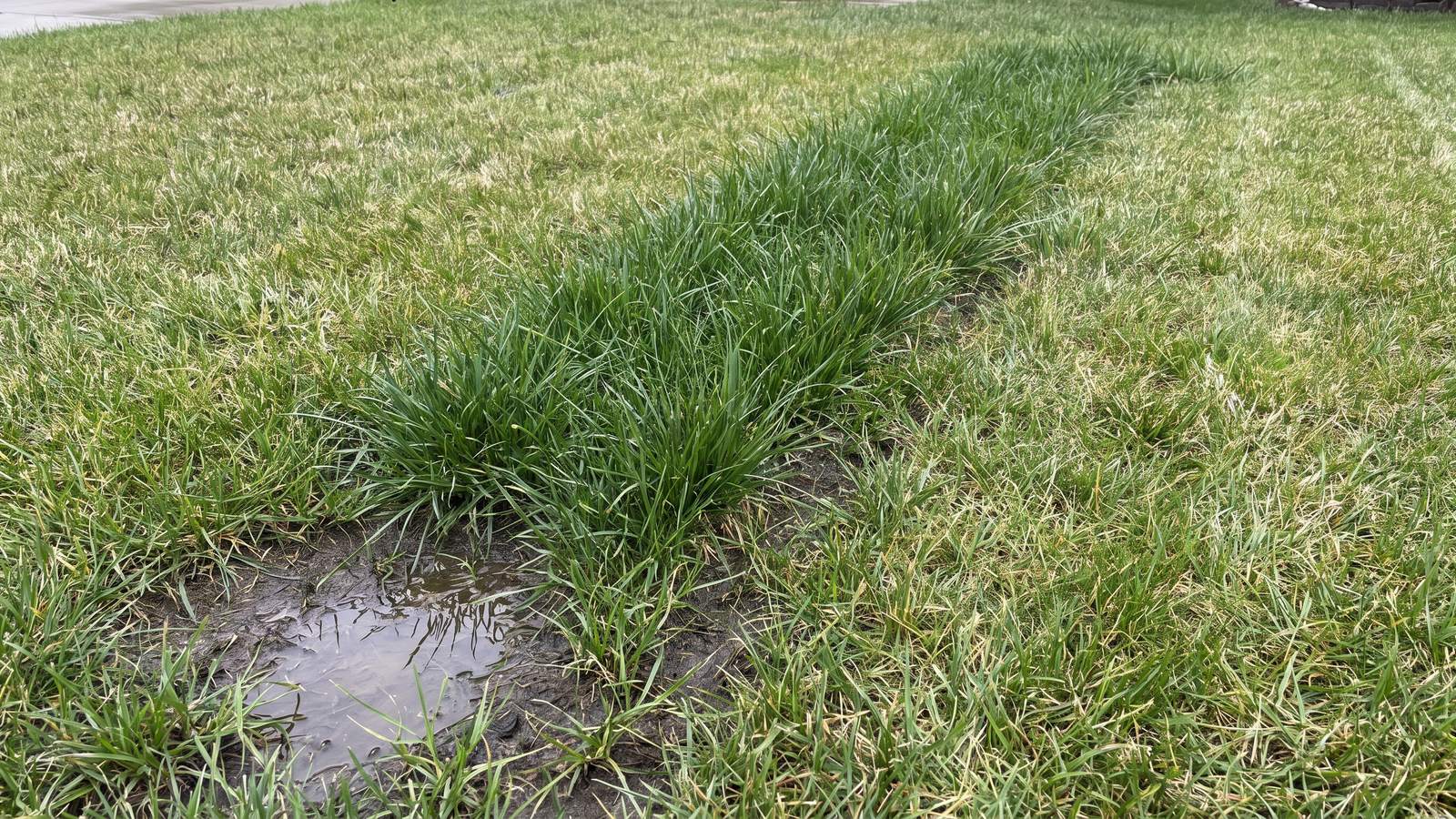
For the first two situations — improper operation and blockage — the statute gives the property owner a right worth using: a property owner may request a test to be conducted by a board of health to verify that the system is causing a public health nuisance. The owner pays for that test. If you think a conclusion was reached too quickly, that is the mechanism for saying so.
Ohio tells its own rule-writers to prefer repair
This is the sentence to keep in your pocket. The director of health adopts the statewide rules, and the statute specifies what those rules must do at a minimum. Among the requirements for standards on siting, design, installation, operation, monitoring, maintenance and abandonment comes this:
The rules shall be adopted so as to establish a preference for the repair of an existing sewage treatment system, when technically and economically feasible, rather than its replacement with a new system.
That is not a promise that repair will always be permitted — "technically and economically feasible" is doing real work, and the board of health applies it. But if the first and only option you have been offered is a full replacement, it is fair to ask whether a repair was considered and why it was ruled out.
The same section also confirms who decides: the statewide rules must require the appropriate board of health to approve or disapprove the installation, operation and alteration of a system that is not connected to a sanitary sewerage system, and must require a site evaluation for any proposed installation.
We read three sections in full and pulled the chapter’s section list. We did not find a statewide requirement to inspect a septic system when a house changes hands in what we read — but we did not read the chapter end to end, and we did not read the rules adopted under it, which is where most of the operative detail lives. Local health districts can set their own requirements. So we are not telling you Ohio has no point-of-sale septic rule. We are telling you to ring the health district for the county the property is in and ask, before you assume either way.
Comparing repair against selling as it stands?
We will give you a written offer on the house with the system as it is, so you have a real number to set against a repair quote. Sometimes the repair wins comfortably — that is a useful thing to find out.
What the disclosure form asks you about the septic
Most Ohio sellers have to fill in the residential property disclosure form. The statute tells the director of commerce what the form must be designed to let you disclose, and the sewage system is named on that list along with the water supply, the structure, and hazardous materials. The catch-all at the end of the list is the part that matters most: any material defects in the property that are within the actual knowledge of the transferor.
Read that standard carefully, because it cuts both ways. If a board of health has written to you about the system, or the tank has been pumped three times this year, or there is a wet strip in the lawn every spring, that is within your actual knowledge and it belongs on the form. But the standard is your actual knowledge — not what a full inspection would have turned up. The statute says so in as many words: the form itself must state that, other than having lived at or owned the property, you possess no greater knowledge than a careful inspection by the buyer could obtain, that the form is not a warranty, and that it is not a substitute for inspections.
And where you genuinely do not know something, the statute allows a good faith approximation — so long as the approximation is not being used to dodge the disclosure requirement. "The system was here when we bought the house in 2004 and we have never had it inspected" is a legitimate answer. Guessing a tank size you have no basis for is not.
The legislature came back to this form in 2006 specifically over sewage. The director was told to revise it to include a statement that information on the operation and maintenance of the type of sewage treatment system serving the property is available from the department of health or from the board of health for the district the property sits in. The same provision borrows its definition of "sewage treatment system" straight from Chapter 3718 — the chapter this whole article is about. The form is pointing you at the same office we suggested you ring.
Some transfers are exempt from the form altogether — fourteen categories of them, including several that come up constantly in the situations we see. That is its own subject, and we have written it up separately in our article on which Ohio home sales are exempt from the disclosure form. Being exempt from the form is not the same as being free to mislead a buyer, which that article also covers.
Your options, honestly
Keep it and repair the system
Usually the right answer, and the one the statute leans toward. A repair that eliminates the problem, as determined by the board of health, resolves the legal position entirely.
Keep it and do nothing yet
Reasonable where the system is working and the only issue is that it is old. A pre-existing system is deemed approved while it is not causing a nuisance.
Replace the system, then sell
Sometimes unavoidable, particularly where a repair is not technically feasible. Get the board of health’s view on what it will approve before you commission anything, and get more than one quote.
Rent it out
The obligations follow the property, not the occupant, and a system serving more people is under more load rather than less. This does not make the question go away.
List it and disclose what you know
Entirely workable. A buyer’s lender or insurer may take an interest, and some buyers will want the system evaluated. Commissions in our area commonly run 5.5% to 6%.
Sell direct for cash
Fits where the repair is large, you do not want to manage the work, or the timing matters more than the last few thousand pounds of value. We can close as fast as seven days where circumstances allow, though a typical close runs about 21 days. Compare it against the repair quote rather than against the fear.
Plenty of pages will tell you what a septic inspection, a pump-out, a repair or a replacement costs in Ohio. We have no source for any of those figures that we can read and check, and the real answer depends on the system type, the soil and what is actually wrong. Two written quotes from people who have looked at your system beat any number on a website, including ours.
This describes Ohio statutes as we read them and is not legal, engineering or environmental health advice. The detailed standards live in rules we have not read, and your local board of health administers them. Talk to that board, and to a contractor who has inspected the system, before making a decision about the property.
If you would rather just talk it through
Call or text and describe what you have been told about the system. We will give you our honest read on the options — including when the answer is to fix it, keep the house, and forget you ever spoke to us.
Frequently asked questions
Not under this chapter simply for being old. A sewage treatment system that was in operation before the effective date of the relevant section shall not be required to be replaced with a new system, and shall be deemed approved, if it does not cause a public health nuisance — or if it is causing one and repairs are made that eliminate it, as determined by the board of health.
Only when one of four listed situations occurs and, after notice by a board of health to the property owner, timely repairs are not made to eliminate it. The notice-and-failure-to-repair part is built into the definition, not an extra step afterwards.
The system is not operating properly due to a missing component, incorrect settings, or a mechanical or electrical failure; a blockage in a known component or pipe causes a backup affecting treatment or drainage; an inspection documents ponding or bleeding of liquid with sewage characteristics plus a positive dye test or specified bacteria levels; or, for a discharging system with an NPDES permit, the system routinely exceeds its permit limits.
For the first two situations, yes. The statute says a property owner may request a test to be conducted by a board of health to verify that the system is causing a public health nuisance. The owner is responsible for the cost of that test.
The statewide rules are required to lean the other way. The director of health’s rules shall be adopted so as to establish a preference for the repair of an existing system, when technically and economically feasible, rather than its replacement with a new system.
The appropriate board of health. The statewide rules must require a board of health to approve or disapprove the installation, operation and alteration of a sewage treatment system that is not connected to a sanitary sewerage system, and to require a site evaluation for any proposed installation.
We did not find a statewide transfer-inspection requirement in the sections we read, and we did not read the whole chapter or the rules adopted under it. Local health districts can and do set their own requirements. Ask the health district for the county the property sits in rather than assuming either way.
We are not going to quote you a number. Septic costs depend on the system type, the soil, the site and what is actually wrong, and none of the figures published elsewhere is traceable to a source we can check. Get two written quotes from contractors who have looked at your system, and ask your board of health what it will accept.
Find out what we would pay
Free, no obligation, and no pressure. If our number does not work for you, that is a perfectly fine answer.
Keep reading

Damaged & Condemned
Can You Sell a House With Code Violations in Cleveland?
Usually yes — but in several Cuyahoga suburbs the inspection has to happen before you sign, not before you close. Getting that order wrong costs you weeks.

Inherited Property & Probate
Which Ohio Home Sales Are Exempt From the Disclosure Form?
Ohio law exempts fourteen kinds of transfer from the residential property disclosure form — including most estate sales and inherited houses you never lived in.
Damaged & Condemned
When a Court Puts Your House in Receivership
Ohio lets a city, a neighbour, a tenant or a nonprofit ask a court to declare a building a public nuisance and hand it to a receiver. The costs become a lien that outranks even the taxes — but the section does not reach an owner-occupied house at all.