Selling a House With a VA Loan: Payoff, Assumption and Your Entitlement
If you bought your house with a VA-guaranteed loan, selling it raises two questions most sellers never face. Should the buyer pay the loan off, or take it over? And either way, will you be able to use your VA home loan benefit again? Federal law answers both, and the answers depend on a few steps that are easy to miss.
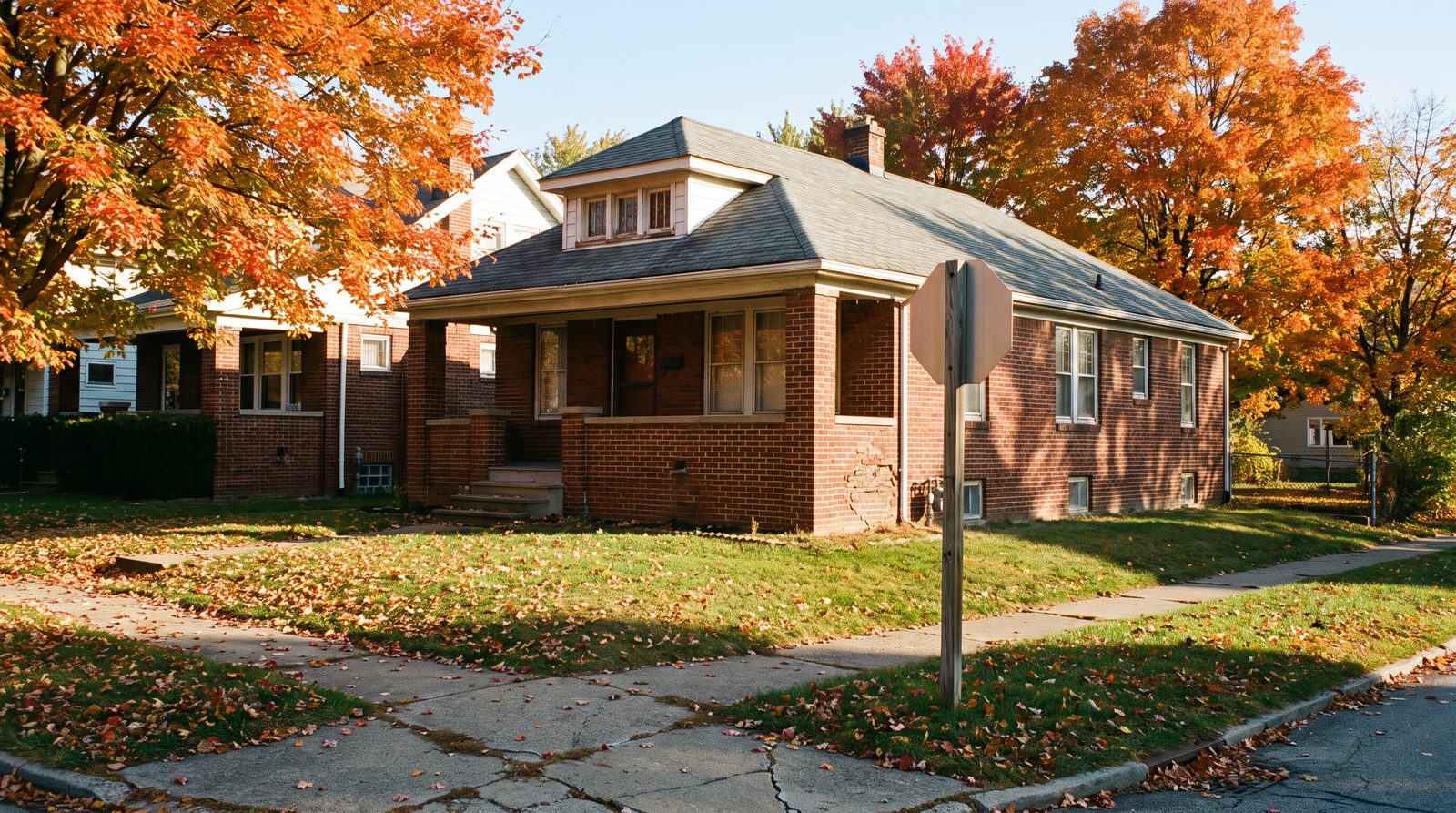
A tidy brick ranch house in a suburb in autumn, with an American flag on a short pole beside the front door and trimmed shrubs
You can sell a house with a VA loan in two ways. Pay it off at closing, like any mortgage. That generally lets you seek your VA entitlement back for a future home, because the loan is repaid in full. Or let a qualified buyer assume the loan. If you notify the lender in writing before the sale and the assumption is approved, you are released from liability. But unless the buyer is a veteran who substitutes their own entitlement, your entitlement may stay tied to that loan.
Two ways a VA loan ends when you sell
| Path | What happens to the loan | Your liability | Your entitlement |
|---|---|---|---|
| Payoff at closing | Paid in full from the sale proceeds | Ends when the loan is paid | Can be restored once the property is sold and the loan is repaid in full |
| Assumption by a qualified buyer | Buyer takes over the remaining balance | Released if you gave written notice before the sale and the assumption was approved | Not restored by the payoff rule, because the loan is still outstanding |
| Assumption by a veteran who substitutes entitlement | Veteran buyer takes over the balance | Released if the assumption is approved | Can be restored when the veteran buyer consents to use their own entitlement |
The release and restoration rules are in 38 U.S.C. 3714 and 3702(b). The assumption rules apply to loans with commitments made on or after March 1, 1988. The VA's regulations add details we have not covered. Confirm your own situation with your lender and the VA before you sign a purchase contract.
Want to see what a payoff sale would leave you?
Tell us the address and your rough loan balance. We will give you a no-obligation cash offer so you can see your net after the VA loan is paid off at closing.
Path one: pay it off
Most VA sellers simply pay the loan off at closing. The title company gets a payoff figure from your servicer and sends that amount from the buyer's money, just as it would for any other mortgage. Once the loan is paid in full and the house is sold, the statute allows the VA to restore the entitlement you used, so it can be available for your next home.
The payoff path is usually the simplest. Any buyer can purchase the house, cash or financed, and you do not have to wait on a lender to approve someone else's credit. Ask the VA for your updated entitlement after closing, and keep your closing statement as proof the loan was paid.
The usual federal mortgage rules still apply to a VA loan payoff. Your servicer must send an accurate payoff statement within seven business days of a written request, with some exceptions, and must refund any money left in your escrow account within 20 days of payoff, not counting weekends and legal holidays. We explain both in our post on mortgage payoffs and escrow refunds.
Path two: let a buyer assume it
An assumption means the buyer takes over your existing VA loan, with its existing terms. The loan papers must say plainly that it is not assumable without VA approval. Federal law sets out when the assumption is approved and when the seller walks away free:
If a veteran … disposes of residential property securing a loan guaranteed, insured, or made under this chapter and the veteran … notifies the holder of the loan in writing before the property is disposed of, the veteran … shall be relieved of all further liability to the Secretary with respect to the loan … and the application for assumption shall be approved if the holder determines that (A) the loan is current; and (B) the purchaser … qualifies from a credit standpoint …
Confirm the loan is current
Notify the lender in writing before the sale
The buyer applies and qualifies
If the lender says no, you can appeal
Close, and keep the paperwork

Being released from liability means you are not on the hook if the buyer stops paying. Getting your entitlement restored means you can use the VA benefit again. The statute's restoration rules look for the loan to be repaid in full, or for a veteran buyer to substitute their own entitlement. An assumption by a non-veteran keeps the loan alive, so your entitlement may stay committed to it. Ask the VA before you agree.
Two situations to plan around
If you are behind on payments. The statute only requires an assumption to be approved if the lender finds the loan current. So an assumption is generally not available while you are behind, unless you catch up first. A payoff sale can still work if the price covers what you owe. If it does not, read our post on owing more than the house is worth before you list.
If the house was destroyed by fire or another natural hazard. The entitlement rules treat that the same way as a sale for one part of the test: the statute covers property that has been disposed of or destroyed by fire or other natural hazard, as long as the loan has also been repaid in full, or the VA has been released or paid for any loss. Talk to your insurer, your lender and the VA together, so the insurance money and the loan payoff line up.
Which path fits you
When an assumption might make sense
An assumption is sometimes attractive to buyers because they take over the existing loan terms. That can help you find a buyer, and it may help on price. But it also means waiting on the lender's approval of the buyer's credit, and possibly leaving your entitlement tied up. If you plan to buy another home with a VA loan soon, that last point may matter more than anything else.
There is also a fee for processing an assumption. The statute tells the VA to cap it by regulation and to set rules for timely processing. We did not read those regulations, so we are not quoting a fee or a timeline. Ask your lender for both in writing.
Your six options
- Keep the house. Keep making payments. Your entitlement stays in use on this loan.
- Repair it, then sell. Repairs may raise the price and make a payoff easier. Get written quotes first.
- Rent it out. Renting keeps the VA loan in place. Check your loan terms before you move out and rent it.
- List it with an agent. You can sell to any buyer and pay off the loan, or market the house as assumable to qualified buyers. Ohio commissions usually run 5.5% to 6%.
- Sell it yourself. No commission. A payoff sale works the same through a title company; an assumption adds lender paperwork you will need to manage.
- Sell direct. No commission, no repairs and no showings. The loan is paid off at closing, which is the path that lets you seek your entitlement back. Closings can happen as fast as 7 days and typically take around 21. The price will be below full retail.
For a payoff sale, start with the price and subtract the payoff, commission, closing costs, repairs and holding costs. For an assumption, the buyer takes the loan balance, so look at the cash they pay you above it, minus your costs. Then weigh what each path does to your entitlement. Put the numbers side by side before you choose.
Get a payoff number to compare
We buy houses across Cleveland and Northeast Ohio and close through a title company that handles the VA loan payoff. Ask for an offer and compare it with listing or an assumption. If another path leaves you more, we will tell you.
This article summarizes 38 U.S.C. §§ 3702(b) and 3714 as we read them. It is general information, not legal or financial advice. VA regulations, your loan documents and your lender's procedures add details we have not covered, including fees and processing times. Contact the VA and your lender before you sign a purchase contract.
Questions about selling with a VA loan?
Call or send us the address. We will walk through how a payoff sale would work and leave the decision with you.
Frequently asked questions
Yes. The most common way is a normal sale where the loan is paid off from the proceeds at closing. Another option is for a qualified buyer to assume the loan with the lender's approval. Each path has different effects on your liability and your VA entitlement.
Under federal law, the assumption is approved if the lender determines the loan is current and the buyer is obligated by contract to buy the house and assume full liability for the loan, and qualifies on credit as if the buyer were an eligible veteran. The loan papers carry a notice that the loan is not assumable without the approval of the VA or its authorized agent.
Not if you follow the steps. The statute says that if you notify the loan holder in writing before the property is sold, and the assumption is approved because the loan is current and the buyer qualifies and assumes it, you are relieved of all further liability to the VA, including for any later default by the buyer.
The lender must notify you and the VA, and tell you that you may appeal the decision to the VA. The VA then reviews whether the loan is current and whether the buyer qualifies, and can direct the lender to approve the assumption.
The statute lets the VA restore entitlement you used when the property has been disposed of and the loan has been repaid in full, or when a veteran buyer assumes the loan and agrees to use their own entitlement in place of yours. Ask the VA how your sale will be treated before you close.
The restoration rules in the statute look for the loan to be repaid in full, or for a veteran buyer to substitute their own entitlement. An assumption by a non-veteran does neither, because the loan is still outstanding. Release from liability and restoration of entitlement are different things, so ask the VA before you agree to an assumption.
The statute tells the VA to set, by regulation, a reasonable maximum that a lender may charge to process an assumption, along with rules for timely processing. We did not read those regulations, so ask your lender for the current fee and timeline.
Find out what we would pay
Free, no obligation, and no pressure. If our number does not work for you, that is a perfectly fine answer.
Keep reading
The Cash Offer Process
Selling Your House: The Mortgage Payoff and Your Escrow Refund
When you sell, your mortgage is paid off from the sale, your servicer owes you back whatever is left in escrow, and Ohio law limits prepayment penalties. Here is how each piece works and when the money moves.

The Cash Offer Process
How the Cash Offer Process Works — Step by Step
Every step from your first call to money in your account, including who does what, what a title company actually does, and where the process can go wrong.

Foreclosure & Hardship
What Happens If I Owe More on My Mortgage Than My Cleveland House Is Worth?
Being underwater is a problem with routes out of it. Ohio puts a two-year limit on a deficiency after a judicial sale — but not after a short sale.