Selling Your House During Chapter 13 Bankruptcy in Ohio
Chapter 13 is a three-to-five-year plan, and a lot can change in that time. A new job in another city. A divorce. A house that costs more to keep than you planned. Many people in a plan think they are stuck with the house until the case ends. You are not. But selling during an open case is not like a normal sale. The bankruptcy court and your trustee are part of the deal, and the federal rules set the clock.
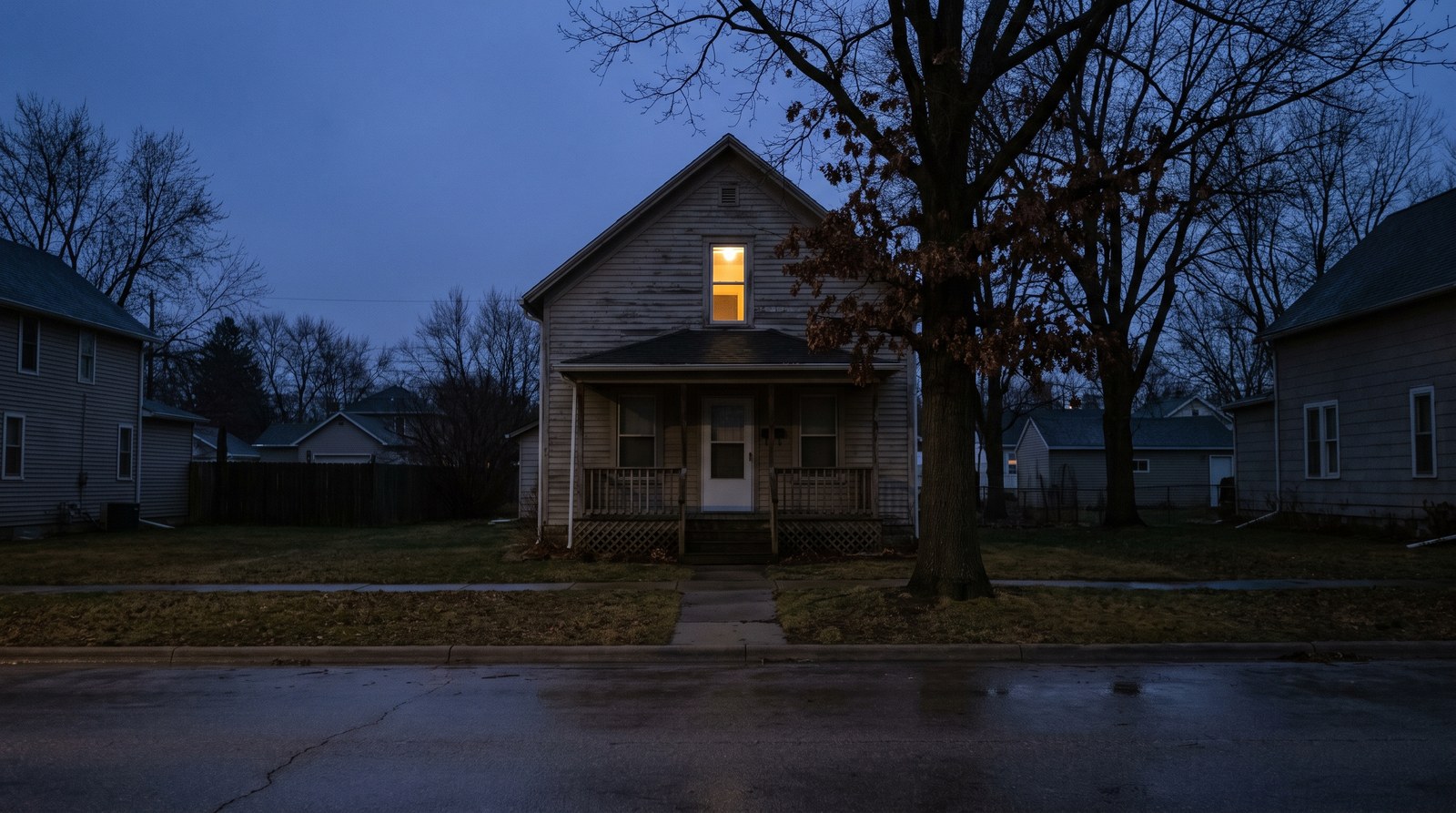
A modest two-story wood-sided house on a quiet Cleveland street on an overcast fall day, with maple leaves on the lawn
You can sell a house during an open Chapter 13 case. Plan on needing the bankruptcy court's approval first. Creditors get at least 21 days' notice, objections are due 7 days before the hearing date, and the approval order is on hold for 14 days unless the court waives it. Liens get paid at closing. Then your plan may need to be modified to reflect the sale.
Why the court has a say in your sale
When you file bankruptcy, your property becomes part of something called the bankruptcy estate. In Chapter 13, you stay in your home and keep control of it. But the estate is still there in the background, and the court watches what happens to its assets.
Federal law gives a Chapter 13 debtor the same power a trustee has to sell estate property outside the ordinary course of business. Selling your house is outside the ordinary course. That power comes with a condition written into the statute: the sale happens "after notice and a hearing." In plain words, creditors and the trustee get told, and they get a chance to object.
There is one twist. When your plan is confirmed, the law's default is that estate property vests back in you. But the plan or the confirmation order can change that default. And anything you acquire during the case also counts as estate property until the case is closed, dismissed or converted. So whether your house is still estate property depends on the wording of your own plan. That is a question for your attorney, not for a buyer or a blog.
Before you sign a purchase contract, tell your bankruptcy attorney. Closing a sale without the approval your case requires can cause real problems, including trouble with your plan. A buyer who knows bankruptcy sales will expect the contract to be subject to court approval.
The federal clock: 21, 7 and 14 days
The Federal Rules of Bankruptcy Procedure set the timing for a sale outside the ordinary course. These rules apply in every bankruptcy court, including the Northern District of Ohio, which covers Cleveland and the rest of Northeast Ohio.
| Step | What the rule says | Source |
|---|---|---|
| Notice of the sale | At least 21 days by mail to the debtor, the trustee and all creditors, unless the court shortens the time for cause | FRBP 6004(a), 2002(a)(2) |
| Objections | Filed and served at least 7 days before the date set for the sale, or within the time the court sets | FRBP 6004(b) |
| Order approving the sale | Stayed for 14 days after it is entered, unless the court orders otherwise | FRBP 6004(h) |
| Who may not buy (N.D. Ohio) | No court-appointed professional, their employee or affiliate, or an immediate family member of any of them | N.D. Ohio LBR 6004-1 |
If you add the minimum notice period and the 14-day stay, that is about five weeks before a typical closing can happen, unless the court shortens or waives a period. Hearing dates, local forms and trustee practice vary. We did not research them, and your attorney will know them.
That five-week figure is the floor set by the rules, not a promise. The real timeline depends on when your attorney files the motion, when the court can hear it, and whether anyone objects. Ask your attorney for an honest estimate before you agree to a closing date with any buyer.

How a Chapter 13 sale usually moves
Call your bankruptcy attorney first
Get a realistic number
Sign a contract that fits the process
Let your attorney file and serve the motion
Wait for the order, then close
Follow up on your plan
Selling during Chapter 13?
We can sign a purchase contract that is subject to court approval and work with your attorney's timeline. Tell us the address and we will give you a no-obligation cash offer.
What happens to the liens and the money
In most home sales, the mortgage and other liens are simply paid off at closing from the sale price. The Bankruptcy Code also has a section on selling property free and clear of an interest, such as a lien. It allows that only in five situations:
- Non-bankruptcy law would allow a sale free and clear of that interest.
- The person or company holding the interest consents.
- The interest is a lien, and the sale price is greater than the total value of all liens on the property.
- The interest is in good-faith dispute.
- The holder could be forced, in a legal proceeding, to accept a money payment instead.
What happens to the money left after liens and costs is a question for your plan. After confirmation and before your payments are done, the plan can be modified. The law lets the debtor, the trustee, or a holder of an allowed unsecured claim ask for that. A sale can change the math of your plan, so expect it to be looked at. We will not guess what your trustee will ask for. Your attorney can tell you what to expect.
Net proceeds = sale price − mortgage payoff − other liens − costs of sale (commission if you list, closing costs, repairs). With a listing, commissions often run 5.5% to 6%. With any sale during Chapter 13, also ask your attorney how the remaining money will be treated under your plan. The number that matters is what reaches you, or reaches your plan.
Common reasons people sell mid-plan
There is no single reason. These are the situations we hear about most often from homeowners in a plan. None of them is legal advice. Each one is a reason to talk with your attorney about whether selling makes sense.
- The payments are too much. The plan payment plus the mortgage plus repairs stretches the budget past the breaking point.
- A move. A new job or a family need pulls you out of Northeast Ohio.
- A divorce. One spouse cannot keep the house on one income.
- The house needs work you cannot afford. A roof, a furnace or a foundation problem shows up in the middle of the plan.
- There is equity. The house is worth more than you owe, and selling could change your whole plan.
Your six options, side by side
Selling is one choice. It is not the only one. Here is how each path looks when you are in an open Chapter 13 case.
| Option | How it works in Chapter 13 | Watch out for |
|---|---|---|
| Keep it | Stay in the plan, keep making payments and keep the house | The plan only works if you can keep up both the plan and the house costs |
| Repair it | Fix it up while you stay in the plan | Borrowing for repairs may need permission in your case. Ask your attorney first |
| Rent it out | Move out and rent the house to cover costs | Rental income may affect your plan. Leasing may need approval too |
| List with an agent | An agent markets it, and the court approves the sale | Commissions often 5.5% to 6%, showings, buyer financing, and the court timeline on top |
| Sell it yourself (FSBO) | You find the buyer, and the court still approves the sale | You handle the contract and the court process with your attorney, and buyers may be wary |
| Sell direct for cash | A cash buyer signs a contract subject to court approval and closes after the order | You trade some price for certainty. Compare the net, not the headline offer |
This table is general. Whether renting, borrowing or selling needs court approval in your case depends on your plan and your court. Your bankruptcy attorney is the person to ask.
Where a cash buyer fits
The court process adds time, so a buyer with a mortgage has to keep a loan approval and a rate lock alive while you wait. A deal can fall apart if the buyer's loan changes. A cash buyer does not have that problem. The court still sets the pace, but the money is not waiting on a lender.
On our side, we can close as fast as 7 days, and typically around 21 days, once we are cleared to close. In a Chapter 13 sale, the court's order and the 14-day stay come first. We buy as-is, so you do not have to fix the house during your plan, and there is no agent commission on a direct sale.
That does not make a cash sale right for everyone. If your house is in good shape and the market is strong, a listing might net you more even after commissions. The honest move is to put the numbers side by side and talk them through with your attorney.
Get a number your attorney can review
We buy houses across Cleveland and Northeast Ohio in any condition. Ask for a written cash offer, then compare it with a listing estimate. If another path nets you more, we will tell you.
Questions to bring to your bankruptcy attorney
- Is my house still estate property under my confirmed plan and order?
- What do I need to file before I can sell, and how long does it usually take here?
- Should we ask the court to waive the 14-day stay?
- What will happen to the money after the liens are paid?
- Will my plan payment change after the sale?
- Is there any reason the trustee or a creditor might object?
If your case is in the Northern District of Ohio, the court's Cleveland location is the Howard M. Metzenbaum U.S. Courthouse at 201 Superior Avenue. Most of the filing is done by your attorney. You may never need to go there yourself.
This article summarizes 11 U.S.C. §§ 363, 1303, 1306, 1327 and 1329, Federal Rules of Bankruptcy Procedure 2002 and 6004, and Northern District of Ohio Local Bankruptcy Rule 6004-1 as we read them. It is general information, not legal advice. Every Chapter 13 plan is different, and we did not research local forms, hearing schedules or trustee practice. Talk to your bankruptcy attorney before you sign anything.
Questions about selling during bankruptcy?
Call or send us the address. We will explain how a cash sale could fit your attorney's plan, give you a straight number, and leave the decision with you.
Frequently asked questions
Yes. Federal law gives a Chapter 13 debtor the power to sell estate property outside the ordinary course of business, after notice and a hearing. In practice that usually means asking the bankruptcy court to approve the sale before you close. Your attorney will know what your plan and the local practice require.
It depends on your plan. By default, confirmation vests estate property in the debtor. But the plan or the confirmation order can say otherwise, and property you acquire during the case also becomes estate property until the case is closed, dismissed or converted. Read your confirmed plan with your attorney.
At least 21 days by mail to the debtor, the trustee and all creditors, unless the court shortens the time for cause.
At least 7 days before the date set for the proposed action, or within the time the court sets.
Not unless the court says so. An order authorizing a sale is stayed for 14 days after it is entered, unless the court orders otherwise. Ask your attorney whether to request that the stay be waived.
The Bankruptcy Code allows a sale free and clear of an interest only in five situations, such as when the lienholder consents, or when the interest is a lien and the price is greater than the total value of all liens on the property. In most sales, liens are paid off from the proceeds at closing.
After confirmation and before payments are complete, the plan can be modified at the request of the debtor, the trustee, or a holder of an allowed unsecured claim. A sale is a common reason to ask what changes. Your attorney and the trustee will look at what the sale means for your payments.
Not in the Northern District of Ohio. The local rule says no court-appointed professional, their employee or affiliate, or an immediate family member of any of them may buy estate assets.
Find out what we would pay
Free, no obligation, and no pressure. If our number does not work for you, that is a perfectly fine answer.
Keep reading
Foreclosure & Hardship
Does Filing Bankruptcy Stop an Ohio Sheriff’s Sale?
Filing operates as a stay the moment the petition is filed, and federal law lets you cure a mortgage default right up until the house is sold. Both of those have limits that the law firm pages do not mention.

Foreclosure & Hardship
Can I Sell My House Before Foreclosure in Cleveland, Ohio?
Yes — and the window is usually longer than people think. Under Ohio law the right to redeem runs until the court confirms the sale, not until the sheriff sale itself.

Foreclosure & Hardship
What Happens If I Owe More on My Mortgage Than My Cleveland House Is Worth?
Being underwater is a problem with routes out of it. Ohio puts a two-year limit on a deficiency after a judicial sale — but not after a short sale.