Selling Your Home After Military Orders: The 5-Year Rule Suspension
Many homeowners know the basic rule: if you owned and lived in your home for 2 of the 5 years before you sell, you may be able to exclude a large part of the gain from income. But orders can keep you away for years. A special rule in the tax code, 26 U.S.C. 121(d)(9), lets certain people suspend the 5-year clock while they serve. Here is what it says.
A tidy two-story colonial house on a quiet street in winter morning light, with light snow on the lawn and roof
If you or your spouse serve on qualified official extended duty, at least 50 miles from the home or in government quarters under orders, 26 U.S.C. 121(d)(9) lets you elect to suspend the 5-year look-back period for that property. The extension cannot be more than 10 years.
The basic rule first
Under 26 U.S.C. 121(a), gain from selling a home can be left out of gross income if, during the 5 years ending on the date of the sale, you owned it and used it as your principal residence for periods adding up to at least 2 years. Under 121(b), the exclusion is capped at $250,000, or $500,000 for certain married couples filing jointly. Our capital gains guide covers the rest of the rule.
The problem for many military families is the 5-year window. If orders keep you away for 4 years, the 2 years you lived in the house can slide out of the window before you get a chance to sell.
Selling from a duty station?
Tell us about the house. We can talk through timing with you and your tax adviser, by phone or email, with no pressure.
The $500,000 joint limit
For married couples filing jointly, 121(b)(2)(A) allows up to $500,000 if three things are true: either spouse meets the ownership test, both spouses meet the use test, and neither spouse is barred by the rule that limits how often the exclusion can be used. If not, each spouse's own limit is figured as if they were not married, and the two are added together. When orders separate a family for a time, it is worth checking both spouses' use dates.
What the suspension rule says
At the election of an individual with respect to a property, the running of the 5-year period ... shall be suspended during any period that such individual or such individual's spouse is serving on qualified official extended duty...
- Who: members of the uniformed services, members of the Foreign Service of the United States, and employees of the intelligence community, as the statute defines each group.
- Spouses count: the clock can pause while either you or your spouse is on qualified duty.
- Distance or quarters: the duty station must be at least 50 miles from the property, or you must be living under government orders in government quarters.
- Length of duty: active duty under a call or order for more than 90 days, or for an indefinite period.
- Limit: the 5-year period cannot be extended more than 10 years by this rule.
- One home at a time: you cannot elect for one property while an election is in effect for another. You can revoke an election at any time.
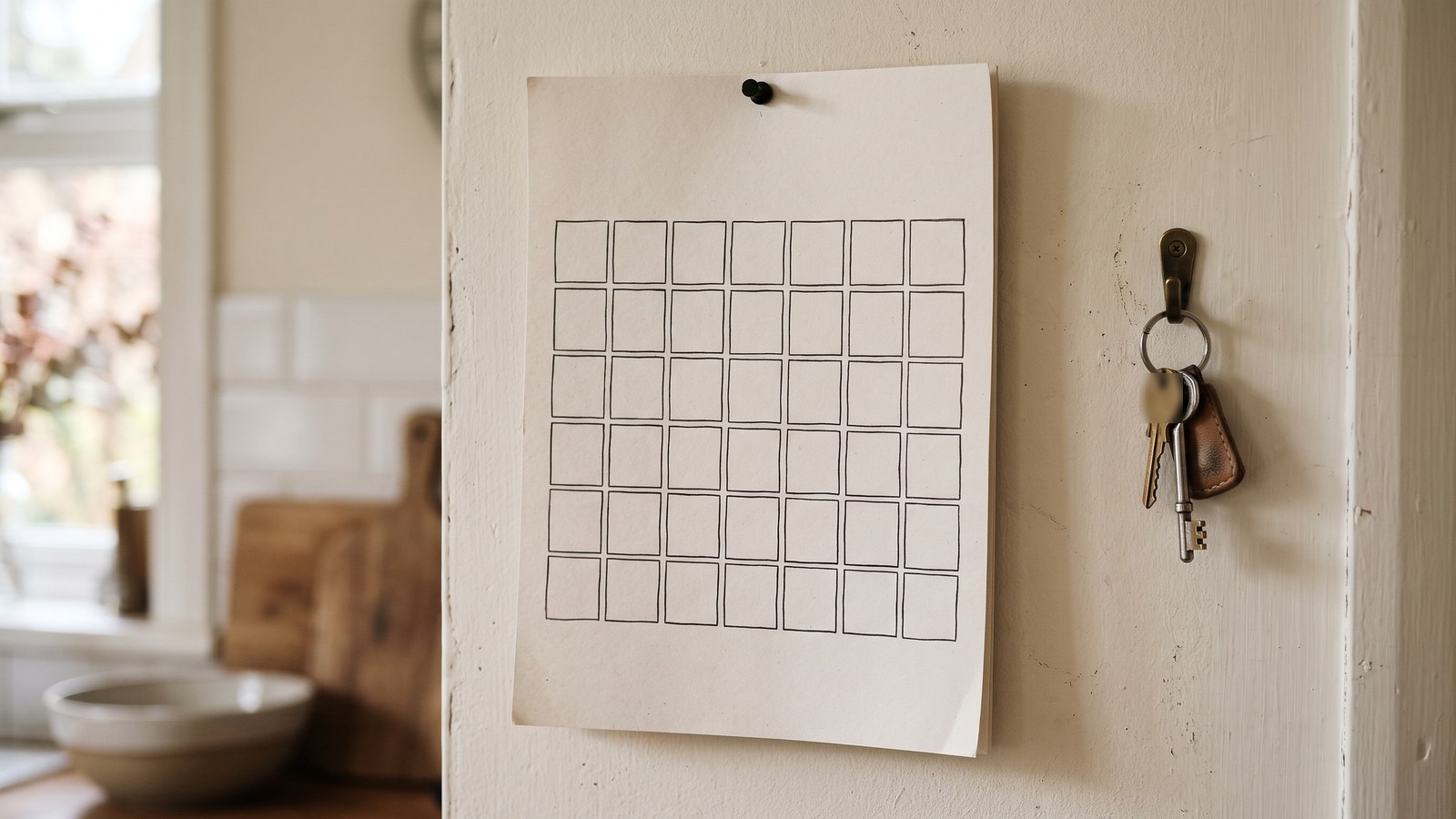
A simple example
Here is a made-up timeline to show how the clock works. It is not tax advice, and real situations have more detail.
| Period (example) | What happened | Counts toward the 5-year window? |
|---|---|---|
| Years 1 to 3 | You buy the home and live in it | Yes, and you meet the 2-year use test |
| Years 4 to 9 | Orders send you to a duty station 500 miles away | Suspended, if you elect and the duty qualifies |
| Year 10 | You sell | The look-back reaches past the suspended years to your time living there |
Made-up example. Without the election, a 5-year look-back from year 10 would reach only years 6 to 10, when you did not live there. With a valid election, the suspended years are skipped, up to the 10-year limit. Have a tax professional confirm your own dates.
Put simply, the election lets the look-back skip over qualifying years away. In the example, the six years on orders are set aside, so the look-back can reach the three years you actually lived in the house. The statute also applies the same suspension to other 5-year periods that section 121 uses, so ask your tax professional whether any of those affect you.
How it fits together
Collect your orders
Measure the distance
List your living dates
Talk to a tax professional
Pick the right home
The suspension pauses the 5-year window. It does not count your time away as time living in the house. You still need periods adding up to 2 years of ownership and use as your principal residence.
Common situations
You rented the house out while deployed
Renting it out can bring other parts of section 121 into play, such as depreciation and nonqualified use. Our capital gains guide explains those. Ask a tax professional how they interact with the suspension.
Your spouse is the one serving
The statute covers periods when "such individual or such individual's spouse" is serving on qualified official extended duty. So a spouse's orders can matter too.
You work for the State Department or an intelligence agency
The rule is not only for the military. It also names members of the Foreign Service and employees of listed intelligence community agencies.
Your orders were short, or nearby
Not every assignment qualifies. The duty has to be under a call or order for more than 90 days, or for an indefinite period, and the duty station has to be at least 50 miles from the home unless you lived in government quarters under orders. A short assignment, or one close to home, does not pause the clock under this rule. Keep your orders handy so a tax professional can check each period.
Know your net proceeds
Taxes are one part of what you keep. Here is a simple example of sale costs with made-up numbers, before any tax. It is for teaching only.
| Line item | Listing (example) | Direct cash sale (example) |
|---|---|---|
| Sale price | $215,000 | $184,000 |
| Agent commission (6%) | -$12,900 | $0 |
| Repairs before listing | -$6,000 | $0 (sold as-is) |
| Holding costs while on the market | -$4,000 | -$900 |
| Seller closing costs (estimate) | -$2,600 | -$1,300 |
| Estimated net before mortgage payoff and taxes | $189,500 | $181,800 |
Made-up numbers. In this example the listing nets more, which is often true. Taxes, if any, depend on your gain and the exclusion. A cash sale does not always net more.
Your six options
| Option | From a distance | What to weigh |
|---|---|---|
| Keep it | Hold until you return | Watch your 5-year window |
| Repair it | Hard to manage from afar | Cash and time up front |
| Rent it out | Common during orders | Landlord duties and tax effects |
| List with an agent | Agent handles showings | Commissions often run 5.5% to 6% |
| Sell it yourself (FSBO) | Hard to do remotely | More work, no commission |
| Sell direct for cash | Can be handled remotely | As fast as 7 days, typically around 21. The price is often lower |
Timing a sale inside your window can matter as much as the price. Check both.
Compare a written offer
We buy houses across Cleveland and Northeast Ohio as-is. Ask for a written number and compare it with your other options.
This article summarizes 26 U.S.C. 121(a), (b) and (d)(9) as we read them in November 2026. It is general information, not tax or legal advice. We did not cover how to make the election, IRS forms, or Ohio tax rules. Talk to a tax professional before you sell.
Questions about selling from away?
Call or send us the address. We will explain how our offers work, and the decision stays yours.
Frequently asked questions
Gain on a sale can be excluded from gross income if, during the 5 years ending on the date of sale, you owned and used the home as your principal residence for periods adding up to 2 years or more. The limit is $250,000, or $500,000 for certain joint returns.
An individual, if the individual or their spouse is serving on qualified official extended duty as a member of the uniformed services, the Foreign Service of the United States, or as an employee of the intelligence community.
Extended duty while serving at a duty station at least 50 miles from the property, or while living under government orders in government quarters. Extended duty means active duty under a call or order for more than 90 days or for an indefinite period.
Not more than 10 years because of this rule.
No. The statute says it applies "at the election of an individual with respect to a property."
No. An election for one property may not be made while an election is in effect for any other property. An election may be revoked at any time.
This article covers only the federal statute. Ask a tax professional how a sale affects your Ohio return.
Find out what we would pay
Free, no obligation, and no pressure. If our number does not work for you, that is a perfectly fine answer.
Keep reading

Liens, Taxes & Title
Do You Pay Tax When You Sell Your House?
Most sellers owe nothing. The federal rule excludes up to $250,000 of gain — $500,000 for many couples — and inherited houses usually show almost no gain at all.
Foreclosure & Hardship
Military Homeowners and Foreclosure: What the SCRA Says Before You Sell
If you took out your mortgage before entering military service, federal law adds protections against foreclosure and high interest. Here is what the SCRA says, and how it fits with selling.

The Cash Offer Process
Form 1099-S After You Sell Your House: Who Gets One and Why
After a home sale, some sellers get a Form 1099-S and some do not. Here is who files it, the principal residence exception, what the numbers mean, and what to do with it at tax time.