Deed Fraud and Seller Impersonation: Protecting a Vacant House or Lot in Ohio
If you own a house that sits empty, an inherited property you have not visited in a while, or a lot you have not built on, you are the kind of owner a seller-impersonation scam looks for. Someone pretends to be you, tries to list or sell your property, and hopes no one notices until the money is gone. You cannot make it impossible, but you can make it much harder, and you can find out quickly if someone tries.
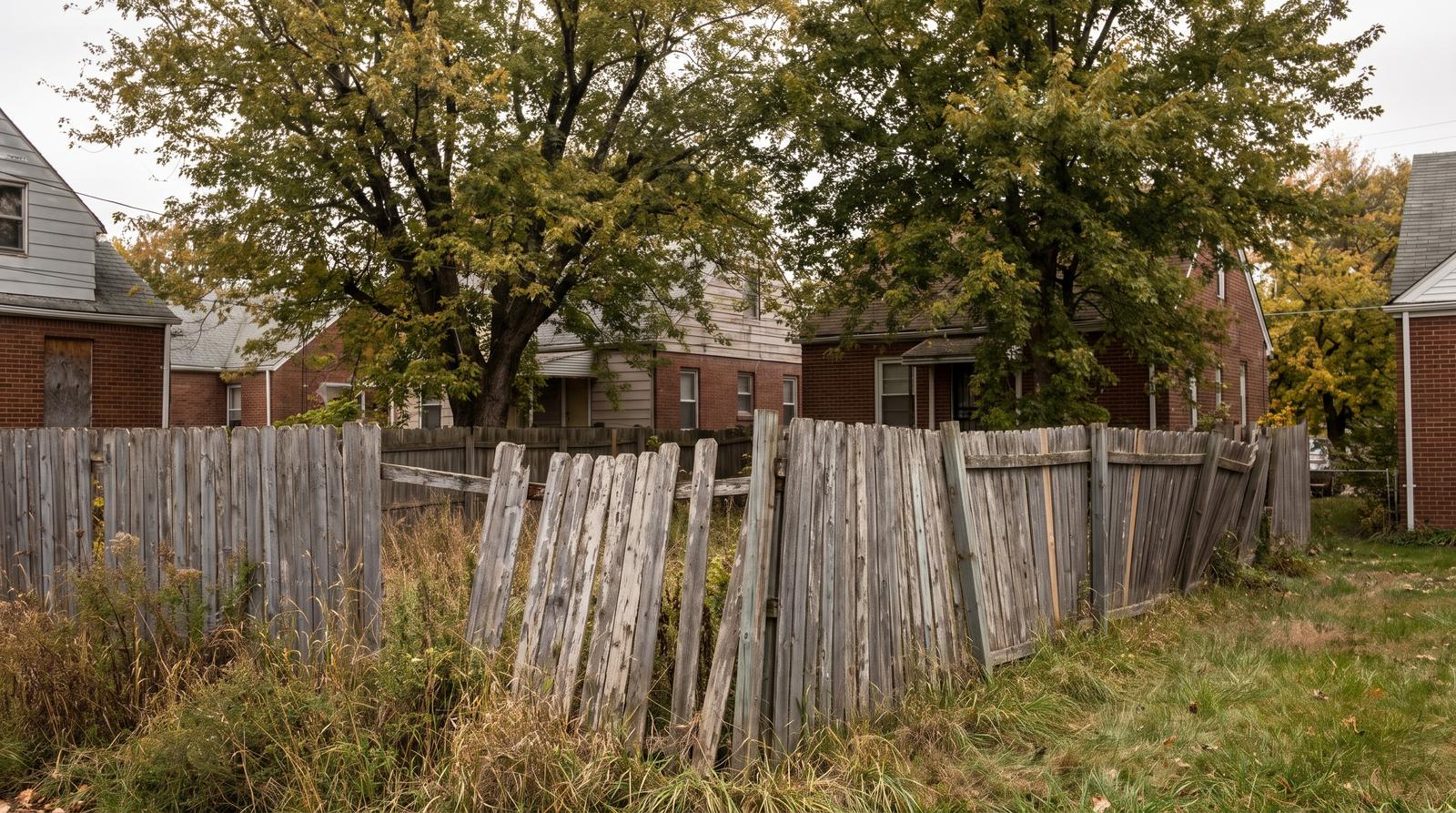
A grassy vacant lot with a mature tree between two older houses on a quiet residential street under an overcast autumn sky
In Ohio, a deed must be signed by the owner and the signing acknowledged before an official, such as a notary, who certifies it. A forged deed is a crime. If you own a vacant house or lot in Cuyahoga County, sign up for the Fiscal Officer's Property Alerts, check the recorded documents now and then, and keep your contact information easy to find. If you see a document you did not sign, act quickly: police, the county, and an attorney.
How the scheme usually works
The basic idea is simple. Someone finds a property where the owner is not around, often an empty lot, a vacant house, or a property owned by someone who lives far away. They pose as the owner and contact a real estate agent or a buyer. They push for a quick sale, often for cash, and they avoid meeting in person. The goal is to collect the sale money before the real owner finds out.
- No one living there. A vacant property has no one to notice a sign, a showing or a strange letter.
- No mortgage. A property owned free and clear has no lender watching it.
- An owner far away. Heirs and out-of-state owners may not visit for months.
- Pressure for speed. The impostor wants to close fast and avoid in-person steps.
We are not going to quote how often this happens. We could not find a reliable local number, and a guess would not help you. The steps below are worth taking either way.
Own a vacant house or lot you are thinking of selling?
Tell us the address. We will give you a no-obligation cash offer. Our sales close through a title company, and you sign before a notary as Ohio law requires.
What Ohio law requires to transfer a property
Ohio law is clear about how a deed must be signed. The owner signs it, and the signing must be acknowledged before an official: a judge or clerk of an Ohio court of record, a county auditor, a county engineer, a notary public, or a mayor. That official certifies the acknowledgment and signs the certificate.
That is why a real sale asks you to prove who you are in front of an official. It is also where a scam has to cheat, with a fake ID, a fake notary, or a forged acknowledgment. Ohio's forgery law makes it a crime to forge another person's writing, to use a writing you know is forged, or to forge an identification card. Forgery is a felony, and the penalty goes up when property is involved or someone suffers a loss.
| Safeguard | What it does | Source |
|---|---|---|
| Owner's signature on the deed | Only the owner can convey the property | ORC 5301.01(A) |
| Acknowledgment before an official | A notary or other listed official certifies the signing | ORC 5301.01(A) |
| Forgery law | Forging a writing or ID, or using a forged writing, is a felony | ORC 2913.31 |
| Property Alerts (Cuyahoga) | Notifies you of potentially fraudulent claims or transactions on your property | Cuyahoga County Fiscal Officer |
| Recorded documents search (Cuyahoga) | Lets you see what has been recorded against your parcel | Cuyahoga County Fiscal Officer |
No safeguard is perfect. A forged acknowledgment can still slip through, which is why watching your own records matters. We did not research proposed changes to Ohio law on deed fraud, because we could not read the bill text from an official source.
How to watch your property in Cuyahoga County
Sign up for Property Alerts
Search your recorded documents
Check MyPlace
Make the property look watched
Keep your paperwork together
If you inherited the property
Inherited houses are a special case. If the county records still show a parent or relative who has died as the owner, there may be no one getting mail about the property, and no one watching the record. That gap is worth closing.
- Find out what the record says. Look the property up on MyPlace and in the recorded documents search.
- Get the title into the right name. Depending on the situation, that may take probate, a certificate of transfer, or an affidavit. Our post on a house when someone dies without a will walks through the Ohio routes.
- Set up Property Alerts once you know which parcel to watch, and keep copies of the probate papers that show your authority.
- Keep the house looking lived in or cared for. Mow the lawn, collect mail, and ask a neighbor to call you about anything unusual.
Red flags in any sale
Whether you are the owner, a buyer, or an agent, a few patterns deserve a second look: a seller who will only communicate by text or email, who cannot meet or sign in person before a notary, who wants an unusually fast closing on a vacant property, or who asks for the money to go somewhere other than the title company's normal process. None of these proves fraud by itself. Each is a reason to slow down and verify.
If you find something wrong
If a forged deed has already been recorded, clearing your title usually means going to court. Our post on Ohio title problems and quiet title explains when a court action is needed. You can also report scams to the Ohio Attorney General at 800-282-0515.
A seller who will not meet, will not sign before a notary in person, pushes for an unusually fast cash closing, or wants the money sent somewhere unusual is a reason to slow down. Ohio requires a real acknowledgment of the owner's signature. Do not skip it.
Your six options for a vacant property
| Option | Fraud exposure | What to weigh |
|---|---|---|
| Keep it vacant | Stays exposed while empty and unwatched | Taxes, insurance and upkeep continue. Use Property Alerts |
| Repair it | Work crews make it look occupied | Repairs cost money up front. Know your plan before you spend |
| Rent it out | An occupied property is harder to impersonate | You take on landlord duties and costs |
| List with an agent | Closing still requires a notarized signature | Commissions often run 5.5% to 6%, plus time on the market |
| Sell it yourself (FSBO) | You must handle identity checks and closing carefully | No commission. Use a title company to close |
| Sell direct for cash | Closes through a title company, with a notarized signature | As-is, as fast as 7 days, typically around 21. Compare the net |
If a property is costing you money and worry while it sits empty, selling may be worth considering. If you plan to keep it, the monitoring steps above are low-effort ways to protect it.
Thinking about selling an empty property?
We buy vacant houses and lots across Cleveland and Northeast Ohio, as-is. Ask for a written offer and compare it with listing. If listing nets you more, we will tell you.
This article summarizes Ohio Revised Code §§ 5301.01 and 2913.31 and Cuyahoga County Fiscal Officer and Ohio Attorney General resources as we read them in October 2026. It is general information, not legal advice. We do not cite statistics on how often deed fraud happens, and we did not research pending legislation. If you suspect fraud on your property, contact law enforcement and an Ohio real estate attorney.
Questions about an empty property?
Call or send us the address. We will talk through your options for a vacant house or lot, with no pressure and no obligation.
Frequently asked questions
It is when someone pretends to be the owner of a property and tries to list, sell or borrow against it. Vacant houses and empty lots are appealing targets because no one is there to notice a sign or a showing.
The owner must sign it, and the signing must be acknowledged before an official such as a notary public, a judge or clerk of a court of record, a county auditor, a county engineer or a mayor, who certifies the acknowledgment.
Yes. Ohio's forgery law makes it a crime to forge someone's writing, to use a writing you know is forged, or to forge an identification card. It is a felony, and the degree rises when property is involved or there is a loss.
The Cuyahoga County Fiscal Officer offers Property Alerts, which notify you of potentially fraudulent claims or transactions regarding real property. You can also search recorded documents online.
Contact local law enforcement, call the Fiscal Officer's Transfer and Recording division at 216-443-2060, and talk to an Ohio real estate attorney about a court action to clear the title. You can also report scams to the Ohio Attorney General at 800-282-0515.
Expect it. Ohio requires your signature on a deed to be acknowledged before an official such as a notary, who certifies it. Being asked for identification is the system working the way it should.
Find out what we would pay
Free, no obligation, and no pressure. If our number does not work for you, that is a perfectly fine answer.
Keep reading
Liens, Taxes & Title
A Problem With the Title: Affidavit or Lawsuit?
Ohio has a cheap recorded affidavit for gaps in the record and a court action for genuine adverse claims. Using the wrong one wastes months.

The Cash Offer Process
Why We Use a Title Company — Protecting Both Buyer and Seller
What a title company actually does, why every deal goes through one, and why a buyer who suggests skipping it is telling you something important about themselves.

The Cash Offer Process
Are "We Buy Houses" Companies Legit? 10 Things to Check Before You Sign
Most are real businesses, some are not, and Ohio gives you specific ways to tell. Ten checks you can run in an afternoon — including on us.